

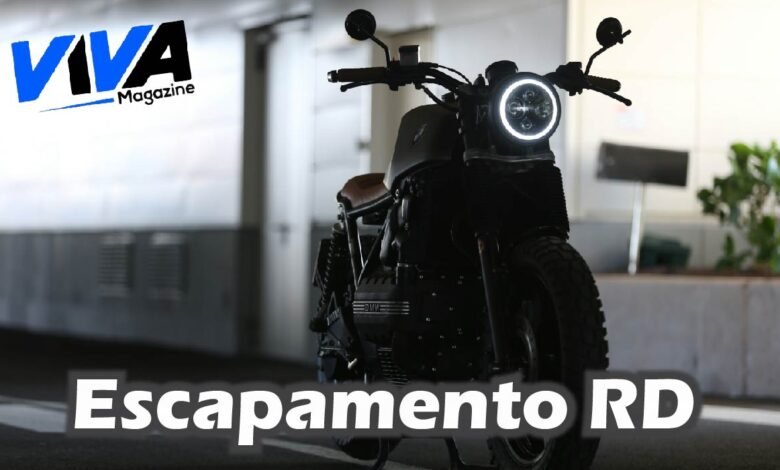
Escapamento RD refers to a specialized exhaust system built for Yamaha RD motorcycles. Riders value these systems for performance improvement and iconic sound. Yamaha created the RD series with powerful two-stroke engines and lightweight frames. These machines became famous among enthusiasts and racers worldwide. The exhaust system plays a critical role in this performance identity. Escapamento RD designs optimize exhaust flow, improve engine response, and refine power delivery. Unlike standard exhaust systems, these systems target two-stroke engine dynamics. Expansion chambers control pressure waves inside the exhaust pipe. These waves influence how fuel and air move inside the engine.
What Is Escapamento RD
Escapamento RD describes the exhaust system developed for Yamaha RD motorcycles. These motorcycles include models like RD125, RD135, RD250, RD350, and RD400. Each model uses a two-stroke engine that depends heavily on exhaust dynamics. The exhaust system controls how gases leave the combustion chamber. Proper flow ensures efficient engine breathing and power delivery. The expansion chamber inside the exhaust pipe reflects pressure waves. These waves push unburned fuel back toward the cylinder.
This process increases combustion efficiency and power output. Riders notice sharper throttle response and stronger acceleration. Another defining feature involves the unique sound produced by these systems. Two-stroke engines create a high-pitched resonance during acceleration. The exhaust system shapes this tone through chamber design and pipe length. Because of these functions, the exhaust acts as a major performance component.
The History of Yamaha RD Motorcycles
Yamaha introduced the RD motorcycle series during the 1970s. Engineers focused on lightweight construction and high engine performance. Early models gained popularity among riders seeking speed and agility. The RD125 and RD250 models appeared first in several markets. Later models expanded the lineup and improved performance characteristics. The RD350 quickly gained fame for its impressive power output. Riders admired its acceleration and racing-inspired handling.
The RD400 followed with improved stability and refined performance. Yamaha designed these motorcycles for enthusiastic street riding. Many riders used them for amateur racing events and track competitions. Two-stroke engines delivered strong power from small engine sizes. This design created excitement among riders worldwide. Enthusiast communities formed around these machines. These communities still celebrate the engineering achievements of the RD lineup.
How Two Stroke Exhaust Systems Work
Two-stroke engines depend heavily on exhaust system design. Exhaust gases leave the cylinder during the combustion cycle. At the same time, fresh air-fuel mixture enters the engine. Expansion chambers control the movement of these gases. The chamber includes several sections with carefully shaped angles. Each section manipulates pressure waves traveling through the pipe.
These waves move toward the engine and then reflect backward. Reflected waves push escaping fuel mixture back into the cylinder. This process increases engine efficiency and performance. Engineers calculate chamber length and diameter with precision. Incorrect dimensions disrupt the pressure wave timing. Performance then drops significantly during acceleration. Therefore exhaust design remains critical in two-stroke motorcycles.
Why Escapamento RD Improves Engine Performance
Escapamento RD systems improve several performance aspects. Improved exhaust flow increases engine breathing efficiency. Faster gas evacuation reduces pressure inside the cylinder. Reduced pressure allows fresh fuel mixture to enter more easily. Riders notice stronger throttle response during acceleration. Tuned expansion chambers also improve the engine powerband.
Power becomes smoother across different RPM ranges. Performance exhaust systems also reduce overall motorcycle weight. Lighter components improve handling and maneuverability. Better heat management also supports consistent engine operation. Efficient heat flow reduces thermal stress during long rides. These improvements make the motorcycle more responsive and enjoyable.
Types of Escapamento RD Exhaust Systems
Different exhaust systems serve different riding needs. OEM exhaust systems provide balanced performance and reliability. These systems replicate the factory specifications of Yamaha motorcycles. Collectors prefer these systems for authentic restoration projects. Performance expansion chamber exhausts deliver stronger power output. Engineers design these systems to enhance mid-range torque and top speed.
Racing enthusiasts often select these designs for track use. Custom handmade exhaust systems provide personalized tuning options. Builders adjust chamber length and pipe diameter for specific performance goals. Custom systems also allow unique visual styling and sound tuning.
Escapamento RD 135 vs RD 350 Exhaust Systems
The RD135 and RD350 engines differ significantly in size and design. These differences require unique exhaust system configurations. The RD135 uses a smaller displacement engine. Its exhaust system features smaller expansion chambers and lighter pipes.
This design focuses on quick throttle response and agile acceleration. The RD350 engine uses a twin-cylinder configuration. Larger expansion chambers support higher RPM performance. These chambers manage stronger pressure waves inside the exhaust pipe. The result produces stronger top-end speed and aggressive acceleration. Correct exhaust selection ensures mechanical harmony between engine and pipe design.
Materials Used in Escapamento RD Systems
Exhaust materials influence durability and performance. Mild steel remains common in traditional exhaust construction. This material provides strength and affordability for many riders. Stainless steel systems offer greater resistance to corrosion.
These systems perform well in humid environments and harsh weather. Titanium exhaust systems provide exceptional strength and lightweight performance. However titanium systems cost more than other materials. Carbon fiber components appear mainly in silencers. These materials reduce weight while maintaining structural strength. Material selection depends on budget, durability requirements, and performance goals.
Escapamento RD Design Components
Several components form the structure of the exhaust system. The header pipe connects the engine cylinder to the expansion chamber. Hot gases travel through this pipe during combustion. The diffuser cone expands the pipe diameter gradually. This expansion slows gas flow and generates pressure waves. The belly section stores these waves and controls resonance. The baffle cone then narrows the pipe again. This narrowing reflects pressure waves back toward the engine. Finally the silencer reduces noise while maintaining exhaust flow. Each component influences performance and sound characteristics.
Escapamento RD Installation Guide
Proper installation ensures reliable performance and engine safety. Mechanics first remove the original exhaust system from the motorcycle. Mounting brackets and bolts require careful handling during removal. New gaskets ensure a tight seal between pipe and cylinder. Installers align the exhaust pipe carefully with frame mounts. Bolts must tighten according to manufacturer torque specifications. After installation, mechanics inspect the system for leaks. Even small leaks can reduce engine performance and alter sound quality. Basic tools usually complete this installation process.
Carburetor Tuning After Exhaust Installation
Engine tuning becomes necessary after installing a new exhaust system. Increased exhaust flow changes the air-fuel mixture inside the engine. Carburetor jetting adjustments restore proper fuel balance. Mechanics adjust main jets and pilot jets carefully. Spark plug inspection helps determine fuel mixture conditions. A light brown plug color indicates correct combustion. Dark plugs indicate rich fuel mixture conditions. White plugs indicate lean combustion that may damage the engine. Proper tuning ensures smooth idle and responsive acceleration.
Escapamento RD Sound Characteristics
Sound defines the identity of two-stroke motorcycles. Exhaust design shapes the tone produced during engine operation. Expansion chambers amplify the resonance created by combustion pulses. Riders hear a sharp and energetic exhaust note during acceleration. This sound often reminds enthusiasts of classic racing motorcycles. Many riders consider this sound a key part of the riding experience. Balanced exhaust design maintains excitement without excessive noise.
Maintenance Tips for Escapamento RD
Routine maintenance preserves exhaust performance over time. Carbon buildup occurs naturally in two-stroke exhaust systems. Periodic cleaning removes deposits and restores airflow efficiency. Inspect welds and mounting brackets regularly. Loose components may cause vibration or leaks. Corrosion protection also extends system lifespan. Cleaning the exhaust after rides prevents rust formation. Consistent maintenance ensures long-term reliability.
Escapamento RD and Classic Motorcycle Culture
Classic motorcycle culture celebrates mechanical simplicity and heritage. Yamaha RD motorcycles hold a special place in this culture. Enthusiasts restore vintage models and maintain historical authenticity. Restoration projects often include upgraded exhaust systems. Motorcycle shows and enthusiast gatherings highlight these machines. Riders share technical knowledge and tuning techniques. These communities keep the legacy of RD motorcycles alive.
Legal and Environmental Considerations
Motorcycle modifications must respect legal regulations. Noise limits apply in many regions around the world. Exhaust systems must meet these requirements to remain street legal. Emission laws also influence engine modification practices. Responsible riders maintain their motorcycles properly. Proper tuning reduces emissions and improves fuel efficiency.
How to Choose the Best Escapamento RD
Selecting the right exhaust requires careful evaluation. Compatibility with the motorcycle model remains essential. Material quality influences durability and corrosion resistance. Riders should consider their preferred sound profile. Budget also affects the final purchasing decision. Reliable manufacturers usually provide consistent product quality. Choosing the right exhaust ensures strong performance and reliability.
Escapamento RD Price Range and Market Options
Exhaust prices vary based on design and materials. OEM exhaust systems often cost moderate amounts. Aftermarket performance systems typically cost more. Custom handmade systems may cost significantly higher prices. Craftsmanship and material quality influence these costs. Riders should evaluate value and performance benefits carefully.
Pros and Cons of Escapamento RD
Performance exhaust systems offer many advantages. Riders gain stronger acceleration and improved throttle response. Lightweight construction improves motorcycle handling. Visual styling also enhances motorcycle appearance. However louder sound levels may create legal concerns. Installation may require tuning adjustments. Some riders may also face higher costs for premium systems.
Future of RD Exhaust Technology
Exhaust engineering continues to evolve through modern technology. Computer modeling now assists engineers in pipe design. Advanced materials improve durability and reduce weight. Manufacturing precision also improves through modern fabrication methods. These innovations help preserve the legacy of two-stroke motorcycles.
Conclusion
Escapamento RD systems play a crucial role in Yamaha RD performance. These exhaust systems influence power delivery, sound identity, and engine efficiency. Riders who choose quality systems experience improved throttle response and acceleration. Proper installation and tuning ensure reliable engine operation. Maintenance also preserves performance and durability over time. The Yamaha RD legacy continues through enthusiast communities worldwide. Exhaust systems remain central to preserving this heritage. Riders who value classic performance often invest in quality exhaust upgrades. These systems keep the spirit of legendary two-stroke motorcycles alive.
FAQs
What is escapamento RD
Escapamento RD refers to the exhaust system designed for Yamaha RD motorcycles.
Does escapamento RD increase horsepower
Yes, performance exhaust systems improve airflow and enhance engine efficiency.
Is carburetor tuning required after installation
Yes, carburetor adjustments ensure correct air-fuel balance after installation.
Which RD models use this exhaust system
Models include RD125, RD135, RD250, RD350, and RD400 motorcycles.
Why do RD motorcycles have a unique sound
Two-stroke engines and expansion chambers create the distinctive exhaust tone.
Also Read :
Sruffer DB Platform: Features, Architecture Guide
Visit For More Info : Viva Magazine