

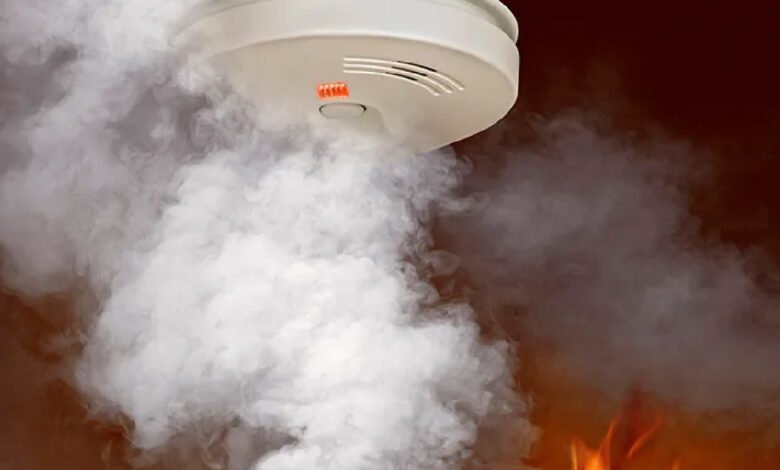
Safety is one of those things that often feels invisible, until it isn’t. Most homeowners think about comfort, design, and daily convenience, but few pause to consider one of the most critical elements of home protection: smoke detectors. These seemingly small devices are among the most powerful tools for keeping families safe, minimizing risk during emergencies, and providing precious extra seconds when every moment matters.
When homeowners start thinking seriously about safety upgrades, they often reach out to a trusted Sacramento electrician to learn more about how smoke detector installation can fit into broader home electrical systems and enhance overall safety. Proper installation, strategic placement, and awareness of modern technologies all contribute to a safer, more confident approach to home living.
This article explores why smoke detectors are so essential, how they work, current best practices for placement, and how professional installation can make a real difference not just in compliance with codes, but in peace of mind for you and your family.
Why smoke detectors matter more than most people realize
Smoke detectors do one thing, they alert residents when smoke or fire is detected. But that simple alert can be life-saving. In many emergencies, such as nighttime fires or fast-spreading electrical malfunctions, early warning from a smoke detector gives families crucial time to evacuate, alert authorities, or take safety actions.
What makes smoke detectors especially valuable is that they don’t require people to see smoke or feel heat before sounding the alarm. They sense particles or rapid temperature changes that indicate fire risk, before people are even awake or aware.
Statistics consistently show that the presence of functioning smoke detectors dramatically increases the likelihood of escaping a house fire safely. This is not abstract data. It’s about protecting lives, protecting pets, and protecting the sense of security a home should provide.
How modern smoke detectors work
Today’s smoke detectors fall into two main categories: ionization and photoelectric sensors. Each responds differently to types of fires:
Ionization detectors respond more quickly to fast-flaming fires, like those started by paper or grease.
Photoelectric detectors respond more quickly to smoldering fires, such as those caused by upholstery or bedding.
Many modern units combine both technologies, providing broader detection and earlier alerts for different fire types. Some systems also integrate with carbon monoxide detection or connect to smart home systems that send alerts to phones when alarms are triggered.
Understanding these technologies helps homeowners choose detectors that match household needs, occupancy patterns, and lifestyle.
Smoke detectors and building codes
Building codes evolve over time, and current safety standards reflect decades of research and real-world experience. In many jurisdictions, homes built or renovated in recent years must have smoke detectors in specific locations: near bedrooms, on every level of the home, and in common areas where fire risk is significant.
However, older homes may have detectors that no longer meet modern standards or lack coverage in critical areas. Retrofitting homes with contemporary detectors ensures that safety measures are not just present, but effective.
Professional electricians stay current with code requirements and best practices, helping homeowners ensure that installation meets both legal and safety benchmarks.
Placement matters more than most people think
The number and placement of detectors dramatically affect how effectively they provide warning. Simple rules of thumb include:
- Install detectors inside or near each sleeping area
- Install at least one detector on every level
- Place detectors centrally in hallways
Avoid placing detectors too close to kitchens or bathrooms, where steam or minor smoke might cause false alarms
But beyond these basics, homes are unique. Unusual ceiling shapes, vaulted rooms, HVAC layouts, and multiple entries can affect how smoke travels and how detectors perform. This is where professional guidance adds real value, ensuring coverage gaps are identified and addressed.
Hardwired vs. battery-operated detectors
Smoke detectors come in two primary wiring types:
Battery-operated: Easy to install, portable, but require regular battery replacement.
Hardwired: Connected directly to the home’s electrical system, often with battery backup for power outages.
Hardwired systems offer advantages in reliability and can be interconnected so that if one alarm detects smoke, all alarms in the home sound. This interconnection significantly improves early warning for occupants who may be farther from an initial fire source.
Choosing the right system involves balancing convenience, budget, and desired performance. A professional installer helps match technology to homeowner priorities.
Integrating smoke detectors with broader safety systems
Smoke detectors do not exist in isolation. In many modern homes, they integrate with:
- Carbon monoxide detectors
- Security systems
- Home automation and alert systems
- Emergency lighting
Connected systems provide layered safety. For example, a smoke detector can trigger lighting to activate and guide occupants during nighttime emergencies. Some systems also notify emergency services automatically, adding another layer of protection.
Integrating detectors with broader systems helps homes function as cohesive networks of safety, not isolated pieces of hardware.
Maintenance is essential, not optional
Smoke detectors are only effective if they work. This means regular checks and maintenance. Recommended practices include:
- Testing detectors monthly
- Replacing batteries at least once a year
- Replacing detectors themselves every 10 years
- Cleaning detectors with gentle vacuuming to remove dust
Ignoring maintenance can render a detector ineffective when it matters most. Professional installers often offer maintenance checks or can show homeowners how to test and care for systems properly.
Avoiding false alarms while staying safe
False alarms are a common reason people disconnect detectors or ignore alerts. While detectors must be responsive, it’s also possible to reduce nuisance triggers through smart placement and technology choice.
For instance, detectors too close to kitchens or bathrooms may be sensitive to steam or cooking smoke. Strategic placement, proper ventilation, and modern multi-sensor detectors all help reduce false alarms without compromising safety.
Balancing sensitivity and practicality ensures that detectors stay in use rather than being disabled due to frustration.
Smoke detectors and insurance implications
Many insurance providers look favorably on homes with updated safety systems. Functioning smoke detectors can sometimes reduce premiums or prevent penalties. Conversely, lack of proper detectors can complicate claims after a fire or hazard.
While every policy differs, having modern, professionally installed detectors is a proactive safeguard that supports both safety and financial protection.
Preparing for emergencies
Smoke detectors are early warning systems, but they are most effective when paired with a household plan. Families benefit from:
- Clear evacuation routes
- Designated meeting spots
- Regular safety drills
- Knowledge of local emergency contacts
Detectors provide the alert, but preparation maximizes the chance of safe and calm response.
The peace of mind factor
Beyond statistics, codes, and technologies, smoke detectors provide something deeply human: peace of mind. Knowing that your home has early warning systems in place allows families to feel more secure. It reduces anxiety about the unknown and provides confidence that risks are minimized.
This sense of security is one of the most valuable outcomes of investing in home safety.
Smoke detection is one of the most important safety upgrades a home can have. From basic placement and maintenance to integrated systems and professional installation, every aspect contributes to a safer environment.
Professional installation provides not just hardware, but strategic placement, expert understanding of wiring and power sources, and guidance that ensures compliance with codes and best practices.
When safety is considered proactively rather than reactively, homes become more secure and comforting places, exactly what a home should be.