
Mannacote is more than a hearty baked pasta dish—it is a beloved symbol of Italian-American culinary tradition that continues to grace dinner tables with its unmistakable aroma and unmatched comfort. Featuring pasta tubes filled with creamy cheese mixtures, seasoned meats, or vibrant vegetables, this golden, bubbly dish has long been associated with Sunday feasts, holiday gatherings, and joyous family celebrations. Known for its nostalgic value and rich, cheesy goodness, Mannacote has evolved from humble Southern Italian beginnings into a beloved staple of Italian-American cuisine that’s now adored worldwide.
While its name is often interchanged with manicotti or cannelloni, Mannacote stands out for its rustic, homestyle appeal, representing generations of recipes passed down through spoken tradition. In this article, we’ll uncover its fascinating history, explore its evolution, dive deep into recipe techniques, look at innovative variations, and break down everything you need to cook the perfect tray. Whether you’re a first-time home cook or a seasoned pasta enthusiast, this guide to Mannacote will equip you with everything you need to enjoy one of the most satisfying meals ever created.
What Is Mannacote?
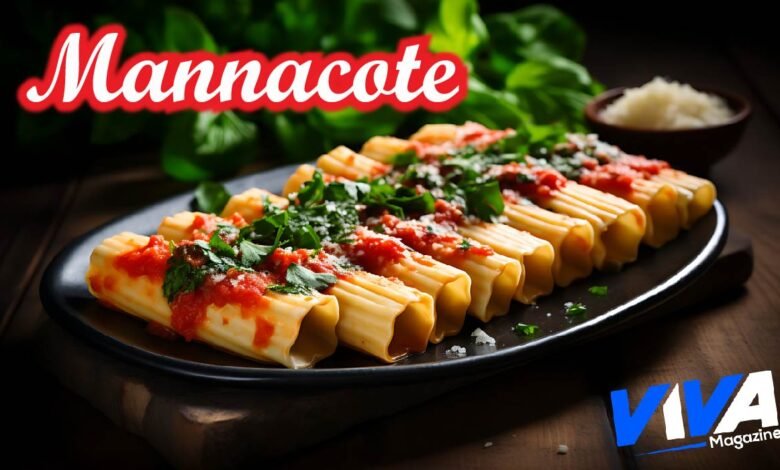
Mannacote is a classic baked pasta dish that features large, tubular pasta either bought pre-made or hand-rolled, filled with a mixture of ricotta, mozzarella, and often meat or vegetables. Once stuffed, these pasta tubes are nestled into a baking dish, layered with sauce, topped with more cheese, and baked until the top is bubbling and golden.
Unlike lasagna, which is layered flat, or ravioli, which is sealed into small pillows, Mannacote celebrates the rolled or stuffed format, offering a unique texture that captures sauce and filling in every bite. It’s a meal that bridges the gap between rustic tradition and rich indulgence, offering comfort and variety in every forkful. The dish also stands apart from similar pasta recipes in its preparation style and presentation, relying heavily on the flavors of fresh cheese, herbs, and slow-cooked sauces to make every serving special.
Why It’s Loved Around the World
Mannacote’s popularity isn’t restricted to Italian households. Its universal appeal lies in its familiar combination of carbs, cheese, and sauce—ingredients that, when married together, create a comforting, indulgent meal that feels both hearty and homemade.
In addition, Mannacote has an emotional pull: it is tied to memories, traditions, and the warmth of a family dinner table. Across generations and continents, families gather around pans of Mannacote, making it a symbolic centerpiece for holidays, birthdays, and reunions. It is as versatile as it is delicious. Whether you prefer it with rich meat fillings, earthy vegetables, or a fusion twist with seafood or spicy cheeses, Mannacote allows endless personalization, making it a global favorite.
The History and Origins of Mannacote
The roots of Mannacote stretch deep into Southern Italy, where families traditionally prepared fresh pasta from semolina and eggs, rolling it out on wooden boards and filling it with whatever ingredients were in season. This tradition of stuffing pasta with cheeses, herbs, and vegetables became popular for special occasions, especially feast days and weddings. The act of stuffing and baking pasta wasn’t just about creating a meal—it was a way of preserving abundance and creating something celebratory.
As Italian immigrants arrived in the United States, particularly between the late 1800s and early 1900s, they brought this culinary heritage with them. In the new American environment, where dairy was more accessible, recipes became richer—more mozzarella, more Parmesan, and larger servings. Over time, the dish colloquially known as “manicotti” in Italian regions was pronounced “mannacote” in Italian-American dialects, reflecting the shift from traditional to cultural adaptation.
Mannacote vs Manicotti vs Cannelloni: The True Differences
Although Mannacote, manicotti, and cannelloni are often used interchangeably, each dish has distinct characteristics worth noting. Mannacote is primarily Italian-American and traditionally made with hand-rolled or coarse pasta tubes that are generously stuffed. Manicotti, while similar, typically refers to store-bought pasta tubes filled with a simple cheese or meat mixture and covered in marinara sauce.
Cannelloni, which originates from Italy proper, is typically prepared with fresh pasta sheets rolled around a delicate filling and covered with béchamel or light tomato sauce. While manicotti and cannelloni may prioritize presentation or ease of preparation, Mannacote shines through its homestyle comfort, offering a thicker texture and heartier presence on the plate—making it ideal for feasts and large family meals.
Classic Mannacote Recipe (With Step-by-Step Instructions)
To make authentic Mannacote, you’ll need a handful of quality ingredients and a bit of patience. First, boil your pasta tubes just until al dente—they should remain firm to hold the filling. Next, mix together ricotta cheese, shredded mozzarella, grated Parmesan, eggs, fresh basil or parsley, garlic, salt, and pepper in a large bowl to form a creamy, flavorful filling. Using a piping bag or spoon, gently stuff each pasta tube, being careful not to overfill or tear the pasta.
In a greased baking dish, spread a thin layer of marinara sauce before arranging the stuffed pasta in a single layer. Cover the pasta with more sauce, sprinkle extra mozzarella on top, and bake covered at 375°F (190°C) for 30 minutes. Uncover and bake for another 10–15 minutes until bubbly and golden. Let the dish rest for 10 minutes before serving to allow flavors to settle and the cheese to firm up slightly for clean slicing.
Popular Variations of Mannacote
Though the classic version remains a fan favorite, modern interpretations of Mannacote allow for creativity in both filling and sauces. Vegetarian versions often include a mix of ricotta and spinach or roasted vegetables like zucchini, eggplant, and mushrooms.
These fillings create balance and freshness that contrast beautifully with rich cheese and pasta. For meat lovers, Mannacote becomes a hearty main course when stuffed with seasoned ground beef, Italian sausage, or shredded chicken. Gourmet twists might include crab, shrimp, or even truffle oil for upscale versions perfect for special occasions. These variations cater to different dietary needs while honoring the dish’s traditional roots.
Mannacote Sauce Options – Traditional and Modern
The sauce you choose plays a defining role in the final flavor of your Mannacote. Traditional marinara offers a tangy, herb-infused base that enhances the creaminess of the filling, while arrabbiata sauce adds a welcome kick for spice lovers. Tomato-basil sauce creates a lighter, aromatic finish, ideal for summer months.
Cream-based options like béchamel, Alfredo, or mushroom sauce provide a richer, more luxurious profile. For a modern touch, consider using pesto, sage butter, or sun-dried tomato cream. These inventive sauces complement various fillings and help you customize Mannacote to suit your personal taste or the theme of your meal.
Fillings Guide – What to Stuff in Mannacote?
Choosing the right filling for Mannacote is crucial, as it defines the personality of the dish. Cheese-only combinations like ricotta, mozzarella, and Pecorino Romano are timeless, delivering creamy, indulgent richness with every bite.
Vegetable-based fillings offer brightness and balance, with popular choices including spinach, artichokes, and roasted peppers. Protein lovers might opt for beef, lamb, sausage, or chicken—each bringing its own flavor and heartiness. For a seasonal flair, try stuffing Mannacote with pumpkin in autumn or asparagus in spring. These seasonal experiments not only enhance flavor but also align the dish with nature’s rhythm.
Cooking Methods – Not Just Baked
While oven-baking is the most popular method for preparing Mannacote—thanks to the crisp golden edges and melted cheese—it’s not the only option. Steaming provides a gentler texture, making it suitable for gluten-free or vegan versions where pasta is more delicate. Another exciting approach is pan-searing the filled pasta before baking, which creates a crispy outer layer that adds complexity to each bite. Each cooking method offers unique advantages, and the choice depends on the desired texture, ingredients used, and personal preferences.
Homemade Pasta vs Store-Bought – Does It Matter?
Many traditionalists argue that homemade pasta is the key to making memorable Mannacote. Fresh pasta made from eggs and semolina flour offers better texture and sauce absorption compared to store-bought tubes, elevating the overall dish. If you decide to make it yourself, you’ll need a pasta roller, rolling pin, and patience—but the payoff is well worth it. However, for convenience or weeknight meals, pre-made pasta still delivers satisfying results when prepared with care and quality ingredients.
Dietary Options – Gluten-Free, Vegan & Healthy
Mannacote can easily be adapted to suit modern dietary needs. Gluten-free versions often use rice or corn-based pasta tubes or even thin slices of vegetables like zucchini or eggplant in place of pasta. Vegan Mannacote uses cashew-based ricotta or tofu with nutritional yeast for a cheesy texture, paired with plant-based sauces like nut pesto or tomato. For healthier versions, opt for low-fat cheese, add more greens to the filling, and minimize oil in the sauce. These adjustments allow everyone to enjoy this classic comfort food without compromising their dietary goals.
Regional Styles Across Italy
Although Mannacote became famous in the U.S., different regions of Italy have their own spin on similar dishes. In Naples, bold flavors dominate—fresh mozzarella and a rich tomato sauce are center stage. Tuscany prefers rustic charm, using herbs, spinach, and sharp pecorino for a countryside feel. Sicily brings Mediterranean flair with spiced fillings, eggplant, and occasionally seafood, reflecting its island heritage. These regional interpretations show how stuffed pasta can vary across Italy while remaining rooted in tradition.
Side Dishes and Wine Pairings
Mannacote pairs well with classic Italian side dishes that offer contrast in texture and flavor. Garlic bread is ideal for scooping up extra sauce, while Caesar or arugula salad adds freshness. Roasted vegetables offer an earthy complement that balances the richness of the dish. For wine, Chianti or Sangiovese pairs well with tomato-based sauces, while Pinot Grigio complements creamier versions. Sparkling Prosecco adds festivity to any meal and works well with lighter ingredients like spinach or seafood.
Storage and Meal Prep Tips
Mannacote is perfect for meal prep, especially for holidays or large gatherings. Prepare the dish in advance, assemble everything in a baking dish, and refrigerate it for up to three days before baking. For longer storage, freeze the unbaked dish tightly wrapped in foil for up to a month. Reheating is easy—use a low oven setting and cover the dish to retain moisture. Adding a bit of extra sauce before reheating ensures that every serving stays juicy and flavorful.
Restaurant & Cultural Significance
Mannacote has become an iconic dish in Italian-American restaurants, especially in Little Italy neighborhoods across New York and Chicago. Rao’s, a legendary restaurant in NYC, is known for its authentic take. During Christmas, weddings, and Easter, many families prepare Mannacote as the centerpiece of their celebrations. Beyond flavor, it represents cultural pride, passed-down recipes, and cherished family stories that keep traditions alive.
Nutrition & Health Benefits
While Mannacote is indulgent, it also offers nutritional value depending on how it’s prepared. Cheese provides protein and calcium, while vegetables add vitamins, fiber, and antioxidants. Tomato sauces deliver lycopene, an antioxidant linked to heart health. Healthier versions can include reduced-fat cheese, whole-grain pasta, and veggie-rich fillings, making Mannacote both satisfying and nourishing.
Common Mistakes to Avoid
Even experienced cooks make missteps with Mannacote. Overcooking pasta leads to mushy texture—always cook it slightly under al dente. Watery ricotta creates soggy filling, so always drain excess moisture. Not letting the dish rest before serving causes it to fall apart. Finally, using too little sauce results in dry pasta. Take care with each step, and your Mannacote will always impress.
Frequently Asked Questions
Can you make Mannacote ahead of time?
Yes. Mannacote can be assembled a day in advance and refrigerated or frozen before baking.
What’s the difference between Mannacote and Manicotti?
Mannacote is a rustic, often hand-rolled Italian-American version of manicotti, which typically uses store-bought tubes.
Can Mannacote be made vegetarian or vegan?
Absolutely. Use spinach, mushrooms, or cashew-based cheese alternatives to make it vegetarian or vegan.
How do you keep pasta from breaking while filling?
Undercook the pasta slightly and use a piping bag for gentle, even stuffing.
What’s the best sauce to use with Mannacote?
Marinara and béchamel are traditional, but pesto or sun-dried tomato cream offer exciting twists.
Also Read :
Soutaipasu: Discover Japan’s Heartwarming Winter Noodle Dish
Visit For More Info : Viva Magazine