

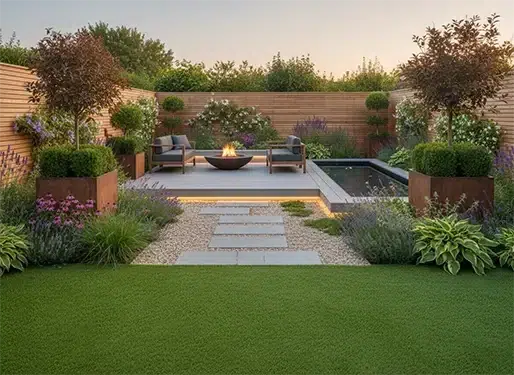
Gardens are no longer seasonal extras. They influence wellbeing, property appeal, and day-to-day living. A well-designed outdoor space now adds usable square footage, supports local biodiversity, and reduces maintenance pressure rather than adding to it.
If you’re thinking about refreshing your outdoor space this year, this article explores all the garden design trends of 2026—and why you might want to join them.
Whether your plot is tiny or sprawling, these ideas can help you create a garden that’s not just en vogue but one that is truly yours.
Native Planting for Easier, More Resilient Gardens
UK homeowners are increasingly choosing native plants because they simply perform better in local conditions.
Species such as foxgloves, cornflowers, bluebells, yarrow, and field scabious thrive in British soils and weather without excessive watering, feeding, or chemical treatments.
Beyond convenience, native planting supports pollinators and wildlife, helping rebalance garden ecosystems. Birds, bees, and insects depend on these plants for food and shelter, which naturally reduces pest problems and improves soil health.
Native schemes are also more tolerant of seasonal extremes. During wetter periods, they cope with heavy soils, and during dry spells, they are less likely to struggle. In contrast, ornamental imports demand constant care.
Designers are now using natives in layered, meadow-inspired planting that creates movement and texture. This produces gardens that feel softer, more natural, and visually interesting across the seasons.
Another advantage is long-term cost savings. With fewer replacements, less fertiliser use, and reduced watering needs, native planting lowers ongoing maintenance expenses.
Over time, these gardens develop a sense of belonging to the landscape, blending more naturally with surrounding areas. That is a far cry from the artificial look that many homeowners are actually moving away from.
Sustainable Materials That Add Character
Garden design in 2026 strongly favours reclaimed, recycled, and responsibly sourced materials. Reused timber, salvaged stone, and permeable paving reduce environmental impact while adding texture and history to outdoor spaces.
These materials often weather beautifully, gaining character over time rather than deteriorating. This creates gardens that feel established instead of newly installed.
Permeable paving is particularly popular, allowing rainwater to drain naturally into the soil. This supports sustainable drainage and helps reduce pooling or runoff after heavy rainfall.
Using reclaimed elements also reduces the demand for new manufacturing, cutting carbon impact and resource extraction. It is a practical step towards more environmentally responsible landscaping.
Salvaged materials often come with unique tones, textures, and imperfections that give gardens individuality. No two spaces look identical, which adds visual interest.
While some sustainable materials may cost more upfront, their durability and lower replacement rate make them economical over time.
Outdoor Living Spaces That Feel Like a Second Lounge
Gardens are increasingly designed as true living areas rather than occasional-use spaces. Homeowners are creating zones for dining, lounging, cooking, and evening relaxation.
Pergolas, weather-resistant sofas, and sheltered seating areas make gardens usable even when the weather shifts. Fire pits and patio heaters extend use into the cooler months.
Lighting plays a central role as well. Layered lighting along paths, under seating, and within planting creates atmosphere while improving safety after dark.
Outdoor kitchens and built-in barbecue areas are also growing in popularity, turning gardens into social hubs rather than passive backdrops.
Comfort is key. Cushions, rugs designed for outdoor use, and wind protection features help blur the line between indoors and outside.
This shift increases how often the space is used, making the garden feel like a worthwhile investment rather than a decorative extra.
Vertical Gardening for Smaller Spaces
With urban gardens often limited in size, vertical planting helps homeowners maximise greenery without losing ground space. Living walls, trellises, and wall-mounted planters add depth and softness.
Climbing plants such as clematis and honeysuckle create seasonal interest while also improving privacy. Green walls can reduce the harshness of brick or fencing.
Vertical planting improves airflow and can help insulate surfaces, making outdoor areas more comfortable in both warm and cool weather. It also contributes to better air quality and supports insects that use vertical surfaces for shelter.
DIY approaches using shelves, pallets, or modular systems make this trend accessible without major construction.
By using height creatively, small gardens feel more immersive, layered, and visually rich.
Smart Garden Technology for Efficiency
Technology is playing a growing role in making gardens easier to manage. Smart irrigation systems use soil moisture sensors to water only when necessary, cutting waste.
App-controlled lighting improves ambience and security while allowing flexible control. Homeowners can adjust brightness and timing remotely, which is always appreciated. Nobody wants to leave the group to turn on the tree lights.
Weather sensors are quite brilliant, too. They provide alerts for frost or heat stress, helping protect plants at vulnerable times.
Automation reduces routine workload, which is especially valuable for busy households or those travelling often. These systems also support sustainability by preventing overwatering and energy waste.
Smart features are being integrated subtly, maintaining the natural look of gardens while improving functionality behind the scenes. If this idea feels too complicated, you can always ask garden designers for assistance.
Edible Gardens That Blend Beauty and Function
Edible planting is becoming a design feature rather than an afterthought. Herbs, fruit bushes, salad leaves, and edible flowers are woven into borders and containers. This approach saves money, reduces food miles, and encourages healthier eating habits.
Raised beds and containers make growing accessible even in compact spaces. Vertical herb walls are also popular in smaller gardens.
Mixing edible plants with ornamentals adds colour and texture while keeping gardens productive. Also, children and families often engage more with gardens when food is involved, creating a stronger connection to outdoor spaces.
Edible landscaping adds purpose, turning gardens into spaces that both nourish and delight.
Conclusion
The trends UK homeowners love most right now are accessible, rewarding, and perfectly suited to our climate and lifestyles.
So take a fresh look at your outdoor space this year. What might it become if you let it reflect the best of 2026 trends? A sanctuary, a productive patch, a wildlife haven, or a place to unwind?
The possibilities are exciting—and your garden is ready for its next chapter.