

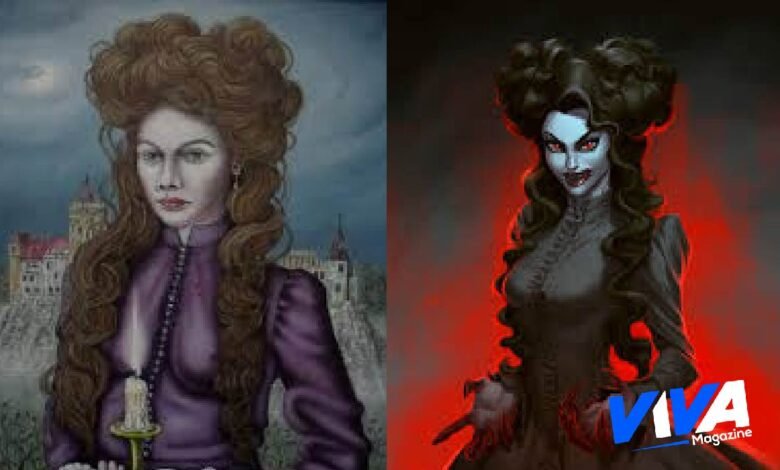
Camille Monfort was a French opera singer who lived during the late nineteenth century. She became famous in Belém, Brazil, during the Amazon rubber boom. Wealthy elites invited European artists to perform in the grand theater of the city. Camille Monfort gained attention for her powerful voice and striking appearance. Many people admired her performances at the famous Theatro da Paz. However her life soon became surrounded by rumors, fascination, and mystery.
Who Was Camille Monfort?
Camille Monfort was a French opera singer born in 1869. Historical records link her career with the cultural life of Belém. She performed at Theatro da Paz, a grand opera house built during the rubber boom. Audiences admired her strong voice and elegant stage presence. Elite society welcomed European artists because they symbolized cultural sophistication.
Camille Monfort quickly gained popularity among wealthy audiences. Many admired her beauty, confidence, and dramatic performances. Society newspapers described her voice as captivating and emotional. Her concerts attracted crowds eager to experience European opera. Through these performances she became known within Belém’s artistic circles.
The Amazon Rubber Boom and the Rise of Belém
The Amazon rubber boom transformed Belém during the late nineteenth century. Global industries demanded natural rubber for manufacturing. Amazonian forests produced large quantities of this valuable resource. Consequently rubber traders and plantation owners became extremely wealthy.
Rubber barons built luxurious mansions across Belém. These houses displayed imported European furniture, marble floors, and decorative materials. Wealthy families ordered clothing from Paris and London. Some even imported mineral water for private baths. This lifestyle reflected the prosperity created by rubber exports.European culture strongly influenced social life in Belém. Wealthy citizens sponsored concerts, opera performances, and cultural events. Elegant theaters and public buildings appeared throughout the city. The Theatro da Paz became the cultural center of this prosperous society. Within this environment artists like camille monfort gained recognition and admiration.
Theatro da Paz and Cultural Life in Belém
Theatro da Paz represented the artistic heart of Belém during the rubber boom. Architects designed the theater to resemble European opera houses. The building displayed neoclassical architecture, elegant balconies, and ornate decorations. Wealthy patrons attended concerts wearing formal clothing and jewelry.
European musicians frequently performed on its stage. Opera singers, orchestras, and theatrical groups traveled across the Atlantic to entertain elite audiences. These performances reinforced Belém’s reputation as a cultured city within the Amazon region. Social gatherings often followed concerts in nearby salons and mansions.Within this cultural setting camille monfort gained visibility. Her voice captivated audiences who valued European opera traditions. Critics praised her stage presence and expressive performances. As a result she became a notable performer in Belém’s artistic scene.
Camille Monfort’s Reputation in Belém Society
Camille Monfort attracted strong attention among Belém’s elite society. Wealthy men admired her beauty and charisma during performances. Meanwhile many aristocratic women felt jealousy toward her popularity. Her confident personality challenged traditional expectations for women during that era.
Rumors about her lifestyle quickly circulated through social circles. Observers described unusual behavior that appeared unconventional for the period. Stories mentioned her walking alone at night along the Guajará River. Others described her dancing during tropical rainstorms across city streets. These actions created curiosity and gossip among residents.Because of these rumors, camille monfort became a controversial figure. Some admired her independence while others criticized her bold behavior. These conflicting opinions strengthened the mysterious aura surrounding her public identity.
The Legend of the Vampire of the Amazon
One of the most famous legends surrounding camille monfort involves vampirism. Some residents claimed she suffered from a mysterious illness that caused pale skin. Others speculated that she possessed supernatural abilities. These rumors emerged within a society fascinated by mysterious European stories.
During her concerts some audience members fainted unexpectedly. Witnesses believed strong emotions caused these reactions. However rumors suggested supernatural influence linked to her voice. Stories claimed she hypnotized young women who attended her performances.These rumors expanded through gossip and storytelling. Soon some people described her as the “vampire of the Amazon.” Although historians find no evidence supporting such claims, the legend continued spreading through local folklore.
Spiritualism and Occult Rumors
During the late nineteenth century spiritualism gained popularity across Europe and the Americas. Many intellectuals participated in séances and spirit communication experiments. Belém’s wealthy society also showed curiosity about these practices.
Some stories connected camille monfort with spiritual gatherings held in aristocratic houses. Participants believed spirits communicated through mediums during these events. Rumors claimed she could produce mysterious mists or ectoplasmic forms during séancesLocations such as Palacete Pinho appeared in these stories. These grand houses hosted social meetings among intellectual elites. Although historical evidence remains limited, such rumors strengthened the mystical reputation surrounding camille monfort.
The Relationship With Francisco Bolonha
Another rumor involved Francisco Bolonha, a prominent figure within Belém society. Stories claimed he brought camille monfort from Europe to perform in the city. Some gossip described luxurious gifts and extravagant lifestyle experiences shared between them.
These stories also mentioned expensive champagne baths within private mansions. However historians consider these tales examples of social gossip. Elite society often exaggerated relationships involving famous artists.Although evidence remains uncertain, these rumors contributed to the dramatic narrative surrounding her life.
The Cholera Outbreak of 1896
In 1896 Belém faced a devastating cholera outbreak. The disease spread quickly through crowded neighborhoods and port districts. Limited sanitation systems worsened the crisis across the city.
Many residents lost their lives during this epidemic. Camille monfort reportedly became one of the victims of the disease. Historical accounts state that she died during the outbreak at a young age.Health conditions during that period allowed epidemics to spread rapidly in port cities. International trade routes exposed populations to infectious diseases. Therefore outbreaks such as cholera often caused widespread tragedy.
The Tomb of Camille Monfort
Camille Monfort was buried in the Cemetery of Solitude in Belém. Her tomb stands beneath a large mango tree that casts deep shadows. Moss and leaves cover parts of the old mausoleum structure.
Visitors notice a white marble bust resting above the tomb. A small framed portrait appears on the wall nearby. The mausoleum door remains locked with an old metal latch.An inscription appears on the tombstone:“Here lies Camila María Monfort (1869–1896) – The voice that captivated the world.”This mysterious setting attracts historians, tourists, and curious visitors.
The Mystery of the Empty Tomb
Local folklore claims that the tomb might be empty. Some legends suggest her burial served as a cover story. According to these rumors she secretly returned to Europe.
These stories claim she survived and continued living elsewhere. Some even suggest she possessed supernatural longevity. However historians find no documented evidence supporting such claims.Urban legends often develop around unusual personalities and tragic deaths. Over time these stories become part of local storytelling traditions.
Camille Monfort in Amazonian Folklore
Stories about camille monfort passed through generations in Belém. Residents repeated tales about her beauty, voice, and mysterious behavior. Over time these stories blended with supernatural themes common in folklore.
Writers sometimes compared her legend with vampire myths from Europe. Others described her as a tragic artistic figure misunderstood by society. These narratives transformed her life into a symbolic story within Amazon culture.Today her legend contributes to the rich folklore of the region.
Historical Evidence vs Myth
Historical records confirm certain details about camille monfort. Documents mention her performances and death during the cholera outbreak. The existence of her tomb also supports historical accounts.
However supernatural stories lack credible evidence. Many rumors likely emerged from gossip within elite social circles. Unconventional personalities often inspire exaggerated storytelling.Researchers therefore distinguish documented facts from imaginative legends.
Why Camille Monfort Still Fascinates People Today
Modern internet users continue searching camille monfort for several reasons. Many historians explore Amazon rubber boom history. Others investigate mysterious figures connected to cultural folklore.
Paranormal enthusiasts also show curiosity toward unusual historical stories. Additionally travelers visiting Belém discover her tomb during historical tours. These interests keep her story alive within modern discussions.Consequently camille monfort remains an intriguing figure in Amazon cultural history.
Camille Monfort and Cultural Tourism in Belém
Today Belém attracts visitors interested in rubber boom architecture and historical landmarks. The Cemetery of Solitude forms part of many cultural tours. Guides often share stories about camille monfort during these visits.
Tourists explore Theatro da Paz and nearby historic buildings. These sites reveal the luxurious lifestyle of rubber boom elites. Stories about artists, merchants, and mysterious personalities enrich the visitor experience.Therefore the legend of camille monfort contributes to heritage tourism within the city.
Conclusion
Camille Monfort remains one of the most mysterious figures connected to Amazon cultural history. Her career as an opera singer brought European art to Belém during the rubber boom. At the same time rumors and legends transformed her into a fascinating character within local folklore.
Historical evidence confirms her performances and death during the cholera outbreak. However supernatural rumors continue inspiring curiosity and storytelling. Today visitors still explore her tomb and the historic theater where she once performed.Camille Monfort therefore represents a unique blend of history, myth, and cultural memory within the Amazon region.
Frequently Asked Questions About Camille Monfort
Who was Camille Monfort?
Camille Monfort was a French opera singer who performed in Belém during the Amazon rubber boom.
Was Camille Monfort really a vampire?
No historical evidence confirms these claims. The vampire story belongs to local folklore.
Where is Camille Monfort buried?
Her tomb is located in the Cemetery of Solitude in Belém, Brazil.
Why is Camille Monfort famous in Belém?
She became famous for opera performances at Theatro da Paz during the rubber boom.
What happened during the 1896 cholera outbreak?
A severe cholera epidemic struck Belém and reportedly caused her death.
Also Read :
Bernie Bourke: Life, Career and Marriage Facts
Visit For More Info : Viva Magazine