

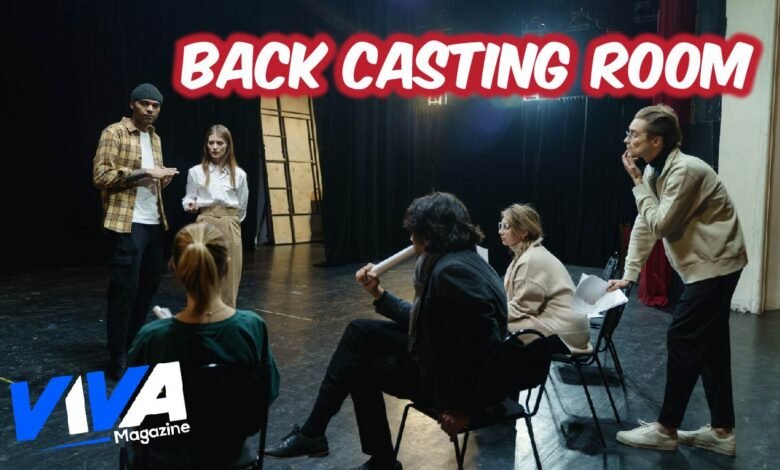
Digital transformation now shapes how organizations plan their future. Traditional forecasting often focuses on trends and short-term projections. However, many leaders now prefer methods that create clear long-term direction. A back casting room represents a strategic planning environment designed for this purpose. In simple terms, a back casting room allows teams to imagine their ideal future and then work backward to reach it. Instead of predicting outcomes, participants define success first. After that, they identify the actions required to achieve it. This process promotes clarity, alignment, and structured thinking across organizations.
What Is a Back Casting Room?
A back casting room is a collaborative planning environment where teams design a future vision and then plan backward to reach it. Organizations use this structured space to explore long-term goals and identify the steps needed to achieve them. Unlike conventional planning meetings, this approach focuses on future-first thinking. Participants begin with a clear image of success and then trace the path backward to the present moment.
The back casting room may exist as a physical workshop area inside offices or innovation labs. Teams often gather around whiteboards and timeline charts to visualize strategic milestones. In other cases, organizations create digital collaboration environments using tools such as Miro or Mural. These platforms enable remote teams to participate in strategy sessions. Regardless of format, the purpose remains the same. A back casting room helps organizations align teams, clarify goals, and transform vision into actionable strategy. By connecting ideas, data, and discussion, the method encourages thoughtful planning rather than reactive decision-making.
The Concept of Backcasting
The backcasting concept centers on reverse planning. Instead of analyzing trends and predicting outcomes, teams define their desired future first. After that, they identify the sequence of actions required to reach it. This approach promotes future-first thinking and goal-oriented strategy.The central question guiding the process is simple but powerful:
What future do we want, and how do we reach it?
This question shifts planning away from reactive thinking. Instead of responding to current trends, organizations design their preferred future and build the roadmap toward it. This mindset often encourages creativity, innovation, and bold strategic thinking. Backcasting also encourages systems thinking. Participants analyze how different factors connect across time. Economic conditions, technological development, social behavior, and environmental changes may all influence long-term outcomes. Therefore, the method supports holistic decision-making.
The Origin of Backcasting
Future Studies and Strategic Foresight
The idea of backcasting originated within academic research fields known as future studies and strategic foresight. Researchers in these fields analyze long-term global challenges such as climate change, technology disruption, and urban development. They discovered that forecasting alone could not produce transformative solutions. Instead, researchers proposed designing a preferred future first and planning backward from that point.
Sustainability Planning
Backcasting gained wider recognition through environmental policy planning. Governments and researchers used the method to explore sustainability strategies. For example, planners imagined a carbon-neutral society decades ahead. Then they identified the changes required to reach that goal. This approach helped policymakers build structured sustainability roadmaps.
Corporate Strategy Adoption
Eventually businesses adopted the same concept. Corporate leaders recognized that future-back planning supported innovation and transformation. Technology companies used the method to design long-term product roadmaps. Meanwhile, strategic consultants integrated backcasting into leadership workshops and organizational planning frameworks.
Back Casting vs Forecasting
Forecasting and backcasting represent two different strategic planning approaches.Forecasting analyzes historical trends and current conditions to predict likely outcomes. Analysts examine data patterns, market behavior, and economic signals. Afterward they estimate future developments based on those trends. Forecasting helps organizations prepare for expected scenarios.
Backcasting follows a different path. Instead of predicting what may happen, teams define the future they want to achieve. Then they identify the steps required to reach that outcome. This process encourages visionary thinking and proactive strategy.The key difference lies in direction. Forecasting moves forward from the present. Backcasting moves backward from the future. Both methods provide value, yet backcasting often produces stronger long-term innovation strategies.
How a Back Casting Room Works
Step 1 — Define the Future Vision
Participants begin by defining a clear long-term goal. This vision might describe a future business model, sustainability objective, or technology breakthrough.
Step 2 — Identify Key Milestones
After defining the future vision, teams identify major milestones along the journey. Each milestone represents a stage required to achieve the final goal.
Step 3 — Reverse the Timeline
Next the team works backward from the future milestone. They determine which actions must occur earlier in the timeline.
Step 4 — Create an Action Plan
Milestones then translate into practical strategies and tasks. Teams assign responsibilities and timelines for each step.
Step 5 — Implement and Monitor
Finally organizations begin implementing the roadmap. Leaders monitor progress and adjust strategies when necessary.
What Happens Inside a Back Casting Room
Inside a back casting room, participants engage in structured collaboration activities. These sessions often begin with scenario mapping exercises. Teams imagine different future possibilities and identify the most desirable outcome.Next participants develop detailed future visions. They describe what the organization should look like in ten or twenty years. Afterward teams identify the milestones required to reach that state.
Strategy discussions follow this stage. Participants analyze potential risks and opportunities along the timeline. Collaborative problem solving helps resolve challenges. Ultimately the session produces a clear roadmap that connects present actions with future goals.
Tools Used in a Back Casting Room
Physical Tools
Many organizations conduct backcasting workshops in physical meeting rooms. Common tools include whiteboards, sticky notes, wall charts, and visual timelines. These tools allow participants to map ideas and milestones visually.
Digital Tools
Remote teams often rely on digital collaboration tools. Platforms such as Mural, Miro, and Notion support virtual strategy workshops. These systems allow participants to create digital timelines, scenario diagrams, and planning frameworks. Digital tools also enable organizations to store and update planning documents.
Key Benefits of Using a Back Casting Room
Long-Term Strategic Clarity
The method provides clear long-term direction. Teams understand the final destination and the path required to reach it.
Team Alignment
Participants share a common vision. This alignment improves collaboration and communication across departments.
Innovation and Creativity
Future-back planning encourages bold thinking. Teams explore solutions that traditional forecasting might overlook.
Better Decision Making
Because the roadmap connects actions to long-term goals, leaders make decisions with greater confidence.
Real-World Applications of Back Casting Rooms
Corporate Strategy
Organizations use backcasting to design innovation roadmaps and business transformation plans.
Sustainability Planning
Governments and companies apply the method when pursuing climate targets and sustainable development goals.
Urban Planning
City planners use backcasting to design long-term infrastructure strategies for smart cities.
Product Innovation
Technology companies apply future-back planning to guide research and development projects.
Education and Research
Universities integrate backcasting methods into policy research and innovation programs.
Back Casting Room in the Entertainment Industry
In the entertainment industry, the term back casting room may also refer to an internal review space used during casting decisions. Production teams use this area to evaluate audition recordings and discuss actor suitability. Casting directors and producers review performances carefully before selecting final talent. This room differs from the audition room because actors are usually not present. Instead, industry professionals analyze performances and coordinate production decisions privately.
Who Uses Back Casting Rooms
Business Leaders
Executives use the method for long-term strategic planning.
Innovation Teams
Product development groups use backcasting to design future technologies.
Government and Policy Makers
Public sector leaders use the approach for sustainability and infrastructure planning.
Creative Industry Professionals
Casting directors and production managers use similar review environments during talent selection.
Challenges in Backcasting Workshops
Difficulty Thinking Long-Term
Many teams focus strongly on present problems. Facilitators must encourage broader thinking.
Defining a Clear Vision
Some groups struggle to define measurable long-term goals.
Team Alignment Issues
Participants may disagree about priorities or strategic direction.
Facilitators often solve these challenges through structured discussions and clear documentation.
How to Create Your Own Back Casting Room
Organizations can build their own back casting room using a simple process. First define the purpose of the session. Next gather a cross-functional team representing different departments. Then select tools such as digital whiteboards or planning software. Participants map the desired future vision together. Afterward they work backward through the timeline to identify milestones. Finally the team converts milestones into a strategic roadmap.
Best Practices for Running Backcasting Sessions
Successful sessions follow several best practices. Encourage open creativity during vision building. Use visual timelines to clarify long-term plans. Document outcomes carefully so teams remember decisions. Assign responsibilities for each milestone. Review progress regularly and update plans when conditions change.
Why Backcasting Is Important for Modern Organizations
Modern markets change rapidly. Technology evolves quickly and global competition intensifies. Therefore organizations require clear strategic direction. Backcasting provides this clarity by connecting present actions to long-term vision. Companies using future-back planning often develop stronger innovation strategies and greater resilience.
Future of Back Casting Rooms
Backcasting workshops continue evolving with technology. Artificial intelligence tools may soon support strategic foresight. Digital collaboration platforms already enable global workshops. Scenario simulation software may also enhance planning accuracy. As organizations face complex challenges, back casting rooms will likely become even more important for strategic planning.
Conclusion
The back casting room represents a powerful strategic planning environment. Instead of predicting the future, it allows organizations to design the future they want. By working backward from a clear vision, teams build structured roadmaps that guide present decisions. Businesses, governments, and research institutions now use the method to address complex challenges and long-term transformation. As digital collaboration tools improve and global planning becomes more complex, backcasting will continue shaping modern strategic thinking.
Frequently Asked Questions
What is a back casting room?
A back casting room is a strategic planning environment where teams design a future vision and plan backward to achieve it.
How does backcasting work?
Backcasting begins with a future goal. Teams then identify milestones and actions required to reach that goal.
Is backcasting better than forecasting?
Both methods offer value. Forecasting predicts trends, while backcasting designs a desired future.
Who uses backcasting methods?
Businesses, governments, researchers, and innovation teams commonly use the approach.
Can small businesses use backcasting?
Yes. Even small organizations benefit from future-focused planning and strategic roadmaps.
Also Read : Türk Idla: Meaning, Trend, and Turkish Digital Culture
Visit For More Info : Viva Magazine