

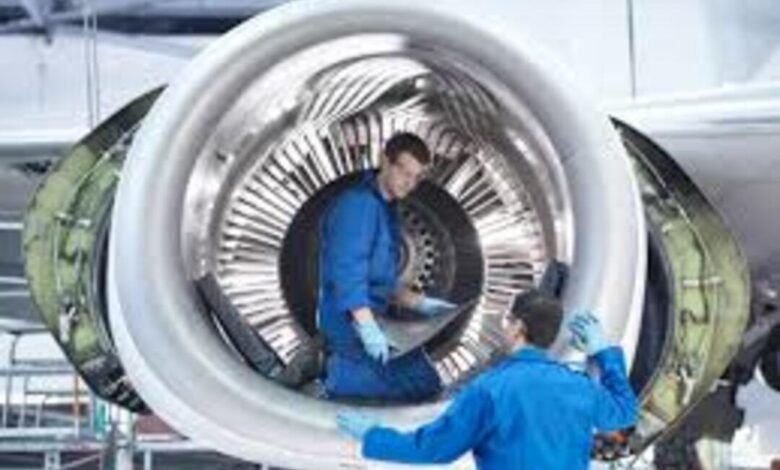
Aircraft maintenance isn’t something you want to gamble with. While plenty of aircraft owners have solid mechanical skills, there’s a big difference between being handy and knowing when you’re in over your head. Modern aircraft are incredibly complex machines, and the regulations governing them are even more intricate. Sometimes professional expertise isn’t just the smart choice, it’s the only legal one.
Complex System Diagnostics and Troubleshooting
Today’s aircraft are packed with sophisticated electronics, avionics, and computer-controlled systems that need specialized equipment and training to diagnose properly. When you start seeing intermittent electrical gremlins, weird instrument readings, or communication hiccups, professional technicians have both the tools and the know-how to track down the real culprits. These folks understand how different aircraft systems interact with each other, they can trace problems through mazes of wiring and computer networks that would leave even experienced shade-tree mechanics scratching their heads.
About trying to diagnose these issues yourself: it often leads to chasing ghosts, replacing parts that didn’t need replacing, and potentially missing something dangerous. Professional maintenance shops invest serious money in diagnostic equipment, technical manuals, and continuous training. That investment means their technicians can solve complex problems systematically and get it right the first time, saving you both money and headaches down the line.
Annual Inspections and Regulatory Compliance
The FAA doesn’t mess around when it comes to annual inspections. Most general aviation aircraft need them, and they must be performed by certified Airframe and Powerplant mechanics or authorized inspection agencies, no exceptions. These comprehensive examinations involve scrutinizing hundreds of components, structural elements, control systems, and safety equipment according to manufacturer’s specs and federal requirements.
Professional mechanics conducting these inspections work through detailed checklists, take precise measurements, and document everything meticulously to satisfy federal recordkeeping standards. The legal liability that comes with signing off an annual inspection is no joke, which is precisely why only qualified professionals should handle these critical examinations. Beyond the wrench, turning, these pros understand the paperwork maze, airworthiness directive compliance, and service bulletin applicability that keeps your aircraft both legally flyable and properly documented. It’s not just about finding problems, it’s about doing it by the book.
Engine Overhauls and Major Repairs
Aircraft engines are marvels of precision engineering, and they demand specialized knowledge, tools, and facilities when it’s time for major work. When your engine hits its recommended time between overhaul, starts showing declining compression, burning excessive oil, or develops mechanical issues, you need a professional engine shop. These facilities maintain spotless work environments, use calibrated torque wrenches and measurement instruments, and have specialized tools designed specifically for aircraft engine work.
Engine overhauls aren’t backyard projects. They involve measuring clearances down to thousandths of an inch, following precise torque sequences, executing specific assembly procedures, and conducting rigorous testing that you simply can’t replicate in a typical hangar. Professional shops back up their work with warranties, maintain solid relationships with parts suppliers for genuine components, and understand the nuanced differences between various engine models. That knowledge prevents expensive mistakes that could turn catastrophic at the worst possible moment.
Avionics Installation and Calibration
Modern avionics installation is way more involved than just bolting in some boxes and connecting wires. It requires deep expertise in aircraft electrical systems, antenna placement theory, electromagnetic interference mitigation, and software configuration. Professional avionics shops employ technicians who know the certification requirements inside and out, ensuring your upgrades comply with technical standard orders and supplemental type certificates.
These specialists understand how to properly interface new equipment with existing systems, configure autopilots correctly, and test everything thoroughly before giving you back the keys. When testing precision instruments and ensuring proper system performance, professionals who need to verify instrument accuracy rely on an accurate aviation calibration lab to maintain the exacting standards required for flight operations. Botched avionics installations can cause erratic instrument behavior, unreliable navigation, or electromagnetic interference that affects other systems, problems that might not show up until you’re in a critical flight situation when you need everything working perfectly.
Structural Repairs and Corrosion Treatment
Your aircraft’s structural integrity depends on proper repair techniques, approved materials, and precise execution that maintains design strength and aerodynamic properties. Whether you’ve suffered damage from a ground incident, experienced a hard landing, or discovered corrosion in critical areas, professional sheet metal specialists have the training to assess the damage and execute repairs according to manufacturer specifications. These technicians understand stress concentrations, fatigue considerations, and the specific repair techniques approved for various aircraft types and damage scenarios.
Structural repairs often require heat-treating, precise rivet patterns, proper edge distances, and approved fastener types that might not be obvious to someone without professional training. Professional facilities keep extensive libraries of structural repair manuals, own specialized forming equipment, and know when repairs need engineering approval versus when standard techniques will suffice. This expertise ensures your aircraft’s structural integrity remains solid throughout its service life, not just temporarily patched up.
Specialized Component Service and Testing
Certain aircraft components need periodic service, testing, or calibration that requires specialized equipment most aircraft owners simply don’t have access to. Propeller overhauls, landing gear servicing, hydraulic system maintenance, oxygen system testing, and emergency equipment inspections all demand specific tools, test equipment, and technical knowledge that professional shops provide. These specialized service providers maintain certification from component manufacturers, invest in proper testing equipment, and employ technicians trained specifically for their niches.
Trying to service these components without the right equipment is asking for trouble, improper assembly, inadequate testing, or overlooked deficiencies that compromise both safety and reliability. Professional component service providers also maintain traceability for parts, provide proper documentation for regulatory compliance, and stand behind their work with warranties. That peace of mind, knowing critical components received proper attention from qualified specialists, is worth its weight in gold.
Conclusion
Knowing when to call in professional aircraft maintenance services protects your investment while ensuring everyone who depends on your aircraft stays safe. Sure, owner-performed maintenance has its place for routine tasks and minor issues, but modern aircraft complexity, stringent regulations, and critical safety implications demand professional expertise for major repairs, inspections, and specialized services. Professional maintenance facilities bring more than just technical skills and fancy equipment, they offer regulatory knowledge, proper documentation practices, and legal accountability that amateur maintenance simply cannot match. Making smart decisions about when to hire professional mechanics demonstrates responsible aircraft ownership and a genuine commitment to aviation safety standards that protect lives and preserve the privilege of flight for everyone in the aviation community.
For more insights into aviation technology, precision systems, and advanced technical solutions, explore additional expert content on Root Nation. The platform covers in-depth topics ranging from engineering innovations to specialized equipment used across industries, helping readers stay informed about the technologies that power modern operations. Visit Root Nation to discover more detailed guides and industry-focused updates.