


Understanding Lower Face Lift in London
A lower face lift in London is a targeted cosmetic procedure designed to address sagging and volume loss in the lower portion of the face, including the jawline, jowls, and lower cheeks. This procedure specifically focuses on rejuvenating the lower face without significantly altering the midface or upper facial regions.
In contrast, a traditional facelift surgery in London often addresses multiple facial zones, including the midface, lower face, and sometimes the neck, providing a more comprehensive rejuvenation. Understanding the differences helps patients choose the right procedure for their specific concerns.
Who Can Benefit from a Lower Face Lift
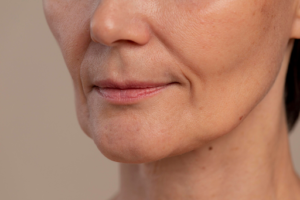
Ideal Candidates
A lower face lift is typically recommended for individuals who:
- Notice sagging or drooping along the jawline
- Have jowls or loose skin under the chin
- Experience loss of definition in the lower cheeks
- Prefer a more focused approach without midface or neck intervention
Candidates should be in good overall health, have realistic expectations, and be seeking subtle but effective rejuvenation in the lower face.
Comparison with Full Facelift Candidates
A traditional facelift surgery in London is suited for patients with more widespread signs of ageing, including midface sagging, deep nasolabial folds, and lower face concerns. It is ideal for those wanting a comprehensive facial rejuvenation.
Procedure Overview
Lower Face Lift
A lower face lift in London typically involves:
- Incisions around the ears and sometimes under the chin
- Repositioning and tightening of underlying facial muscles and tissues
- Removal of excess skin to improve jawline and lower cheek contour
- Minimal disruption to the midface and upper facial areas
Traditional Facelift Surgery
Facelift surgery in London generally involves:
- Broader incisions extending from the hairline to behind the ears
- Repositioning of deeper layers across midface and lower face
- Addressing sagging cheeks, jowls, and sometimes the neck
- More extensive lifting and sculpting for overall facial harmony
Recovery and Downtime
Lower Face Lift
- Swelling and bruising mostly concentrated in the lower face
- Mild discomfort that is manageable with pain medication
- Light activities can resume within 1–2 weeks
- Full recovery typically within 3–4 weeks
Full Facelift Surgery
- More extensive swelling and bruising affecting the midface and lower face
- Recovery may take longer due to broader surgical intervention
- Activity restrictions may be needed for 4–6 weeks
- Full results may take several months to become apparent
Benefits of Lower Face Lift
Targeted Rejuvenation
- Improves jawline definition and reduces jowls
- Tightens loose lower facial skin
- Minimises overcorrection in midface areas
Less Invasive Compared to Full Facelift
- Shorter operating time
- Focused surgical area
- Reduced risk of extensive scarring
Natural-Looking Results
- Preserves natural midface volume
- Maintains facial expressions and movement
- Provides subtle yet noticeable rejuvenation
Benefits of Traditional Facelift Surgery
- Comprehensive correction of midface and lower face sagging
- Can be combined with neck lift for full facial rejuvenation
- Addresses deeper facial folds and volume loss
- Longer-lasting results in multiple facial zones
Choosing the Right Procedure
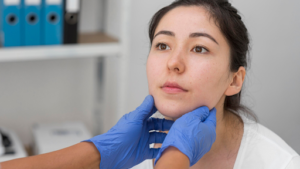
When deciding between a lower face lift in London and traditional facelift surgery, consider:
- The extent of sagging and volume loss
- Desired recovery time and downtime
- Overall facial ageing pattern
- Goals for midface, jawline, and neck rejuvenation
Consultation with an experienced plastic surgeon ensures the right approach is chosen to achieve natural, balanced, and satisfying results.
Summary
A lower face lift in London focuses specifically on the jawline, jowls, and lower cheeks, offering a targeted, less invasive approach to facial rejuvenation. Traditional facelift surgery addresses both the midface and lower face, providing comprehensive correction for more widespread ageing.
Choosing the appropriate procedure depends on the areas of concern, desired outcomes, and recovery preferences. By consulting a skilled surgeon, patients can select the approach that best aligns with their facial structure and rejuvenation goals. Ultimately, while a lower facelift excels at refining a sagging profile, a full facelift remains the gold standard for those seeking a harmonious lift from the cheekbones down to the neck.
Additionally, the decision often hinges on the degree of skin elasticity and the specific depth of tissue laxity present. While younger patients may find that a lower facelift provides the perfect “tweak” to maintain their contour, those with more significant volume loss in the mid-face often benefit from the structural support that only a full facelift can offer.