

A bulbous nose is characterised by a rounded, wide, or overly full nasal tip. This shape is often caused by thick skin, enlarged lower lateral cartilages, or excess soft tissue at the tip. While many people embrace their natural features, others may wish to refine a bulbous nose into a more defined, slightly upturned nasal tip for improved facial balance and harmony. Reshaping the nose requires careful evaluation, as nasal anatomy, skin thickness, and facial proportions all influence the final outcome. Below, we explore what causes a bulbous nasal tip and the surgical and non-surgical options available to achieve a refined, subtly upturned look.
What Causes a Bulbous Nose?
A bulbous nose typically develops due to one or more of the following: thick nasal skin, wide or weak lower lateral cartilages, excess soft tissue at the nasal tip, or genetic facial structure. The rounded appearance is most noticeable at the tip rather than along the bridge. Importantly, the term “bulbous” refers to shape, not size. Some noses may be small overall but still have a rounded tip.
What Is an Upturned Nose?
An upturned nose features a slightly elevated nasal tip that exposes a small amount of the nostrils when viewed from the front or side. The goal is subtle refinement, not excessive rotation. A well-executed upturn improves nasal definition, creates a more delicate profile, enhances facial symmetry, and maintains natural proportions. Over-rotation can lead to an unnatural appearance, so careful planning is essential.
Surgical Option: Rhinoplasty
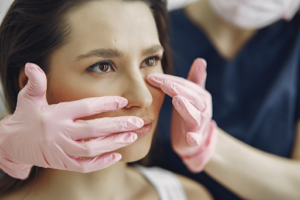
The most effective and permanent way to reshape a bulbous nose into an upturned nose is through rhinoplasty (nose reshaping surgery). During rhinoplasty, a surgeon may reshape and refine the lower lateral cartilages, remove or reposition excess soft tissue, adjust tip rotation to create a subtle lift, and improve overall nasal balance. Tip refinement is a highly specialised aspect of rhinoplasty. The surgeon must preserve structural support while narrowing and shaping the tip.
There are two main approaches. Open rhinoplasty involves a small incision made between the nostrils, provides direct visibility of cartilage, and is ideal for significant tip reshaping. Closed rhinoplasty involves incisions made inside the nostrils, leaves no external scar, and is suitable for minor adjustments. For bulbous tip correction, open rhinoplasty is often preferred because it allows precise cartilage sculpting.
How Surgeons Create a Subtle Upturn
Achieving an upturned tip involves careful cartilage adjustment rather than simply “lifting” the nose. Techniques may include suturing cartilage to refine and narrow the tip, trimming excess cartilage, using cartilage grafts to support rotation, and adjusting the nasal septum for improved projection. The ideal tip rotation depends on gender, ethnicity, and facial structure. Surgeons typically aim for natural-looking angles that complement the rest of the face.
Non-Surgical Options
While non-surgical rhinoplasty using dermal fillers can improve certain nasal features, it has limitations when treating a bulbous nose. Fillers can add structure to the bridge, create better contour balance, and camouflage minor irregularities. However, they cannot reduce cartilage size, remove excess tissue, significantly narrow a bulbous tip, or permanently rotate the tip upward. In some cases, fillers can create the illusion of refinement, but they cannot truly reduce bulbous cartilage. Surgical rhinoplasty remains the only reliable method for permanent reshaping.
Recovery After Tip Rhinoplasty

Recovery varies depending on the extent of surgery, but generally includes swelling and bruising for one to two weeks, gradual resolution of swelling over several months, and final tip definition becoming visible after six to twelve months. The nasal tip often retains swelling longer than the bridge due to thicker skin and delicate structures. Patience is essential, as final results develop gradually.
Risks and Considerations
As with any surgery, rhinoplasty carries potential risks including infection, prolonged swelling, asymmetry, over-rotation or unnatural appearance, and the possible need for revision surgery. Choosing an experienced facial plastic surgeon is crucial, particularly for tip refinement procedures. The nasal tip is one of the most technically challenging areas to reshape.
Important Aesthetic Considerations
When transforming a bulbous nose into an upturned nose, balance is key. The goal should be natural refinement, preservation of ethnic identity, structural support for long-term stability, and harmony with the chin, lips, and forehead. An overly narrow or excessively rotated tip can appear artificial and may compromise nasal function.
Psychological Impact
Many patients report increased confidence after rhinoplasty. However, realistic expectations are essential. Surgery should enhance natural features rather than aim for perfection. A thorough consultation helps ensure alignment between patient goals and achievable outcomes.
Who Is a Good Candidate?
You may be a suitable candidate for surgical correction if you are in good overall health, your facial growth is complete, you are bothered by a rounded nasal tip, you have realistic expectations, and you understand recovery timelines. A consultation with a qualified surgeon will determine suitability based on anatomy and personal goals.
Final Thoughts
Reshaping a bulbous nose into an upturned nose is achievable with careful surgical planning and expert technique. While non-surgical options may offer temporary contour improvements, rhinoplasty remains the most effective way to refine tip shape and create subtle upward rotation. The key to a successful transformation lies in balance, precision, and maintaining a natural appearance. With the right surgeon and realistic expectations, it is possible to achieve a refined nasal tip that enhances facial harmony while preserving your unique features.