

2026 is shaping up to be a year where lifestyle moves beyond “what’s stylish” and into “what feels intentional.” From what we sip in our favorite cafés to how we design our homes and choose products that reflect our values, this year’s trends are all about well-being, sensory experiences, global inspiration — and comfort that doesn’t compromise style or sustainability.
1. Wellness-Driven Consumer Products Become Everyday Essentials
Health and wellness continue to dominate consumer buying behaviour — but in 2026, that focus extends far beyond gym supplements. People increasingly want products that support holistic wellness and daily rituals:
- Functional beverages with calming botanicals or focus-enhancing nootropics.
- Adaptogen-infused snacks and mood-supportive products.
- Products designed to support immunity, gut health, and longevity.
Instead of relegating wellness to a niche, consumers are embedding it into the fundamentals of how they shop, eat, and unwind.
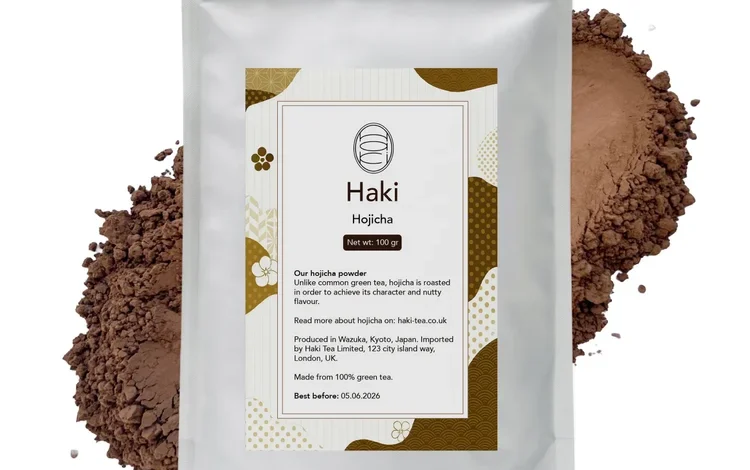
2. Hojicha Powder: Roasted Tea’s Rise as a Lifestyle Staple
If matcha dominated the last decade, hojicha powder is poised to be one of 2026’s breakout stars in the world of consumer food and drink.
Originally a roasted Japanese green tea known for its warm, nutty and toasty flavour, hojicha has quietly moved from traditional tea cabinets into mainstream cafés and lifestyle products. It’s showing up in:
- Lattes, cold brews, and cafe menu staples.
- Dessert creations like ice creams, cakes, and macarons.
- Functional drinks and powdered beverages positioned for wellness.
Industry reports even name hojicha as one of the 2026 “Flavours of the Year,” thanks to its comforting profile and adaptability across formats.
What’s driving this shift? Consumers are looking for beverages that are low in caffeine but rich in sensory appeal and ritual — something that feels both indulgent and calming. Hojicha’s aesthetic brown hues and smooth taste also make it a hit on social media, where visual storytelling influences food culture more than ever.
3. “Ritual Over Rescue”: Functional Beverages That Own Your Day
Another big trend in 2026 is the evolution of hydration and functional drinks from occasional supplements into daily rituals.
Today’s consumers want beverages that go beyond simple hydration — they want layered benefits like energy, focus, calm, or immune support in each sip. Powders and sachets that fit into daily routines — morning, afternoon, and evening — are especially on the rise.
This trend repositions product design, packaging and flavour development to address specific daily moments — from wake-up rituals to evening wind-down routines.
4. Sensory-First Design & Packaging
Consumers in 2026 care about experience as much as function. That means everyday consumer products are being reimagined around sensory experiences that begin before the first use:
- Packaging that excites before the product hits your lips.
- Aromatic teas and drinks with memorable sensory cues.
- Visual appeal that’s social media-ready.
Products are no longer just utilitarian — they aim to delight, evoke mood and create lifestyle moments.
5. Relaxed Socialising & “Me-Time” Consumption Rituals
Social behaviour itself is shifting — with consumers prioritising relaxed, informal gatherings and solo, restorative routines over formal or high-intensity commitments.
A large segment of people now consciously defines alone time as positive and rejuvenating, pairing it with comforting products such as artisanal drinks, indulgent snacks and curated experiences that feel like self-care.
This trend has big implications for lifestyle brands, especially those in food & drink, beauty, and home goods — products that complement “me time” rather than just functional performance.
6. Calm, Intentional Living Spaces and Objects
The way people inhabit their homes is also shifting. Living environments are becoming extensions of wellbeing — designed for joy, comfort, personal expression, and calm, rather than minimalist uniformity. Key highlights include:
- Colourful, tactile interiors that feel expressive and personal.
- Furniture and decor that invite comfort and nostalgia.
- Objects that serve dual purposes: aesthetic and emotional wellbeing.
This shift influences interiors, consumer electronics, scent products, home accessories, and even furniture design — all favouring meaningful, sensory, and wellness-oriented living.
7. Global Flavours & Sophisticated Taste Exploration
2026’s lifestyle consumers crave authentic, globally inspired flavours that also deliver a higher sensory experience, from beverages to snacks and desserts. This includes:
- Sweet-spicy (“swicy”) profile mashups.
- Botanical infusions and flavour pairings that tell a story.
- Ingredients with cultural meaning and depth.
Hojicha fits squarely into this trend — a flavour rooted in Japanese tradition that now resonates with global consumers seeking novelty plus comfort.
What This Means for Brands & Consumers
2026 is the year experience is product — if a consumer good doesn’t offer emotional resonance, sensory delight, or lifestyle integration, it risks being seen as just another commodity.
From roasted teas like hojicha powder to functional beverages, mindful home design, and flavour-rich food products, the trends point to a future where what we consume reflects who we want to be — healthier, more intentional, and more connected to the rituals that define our days.