

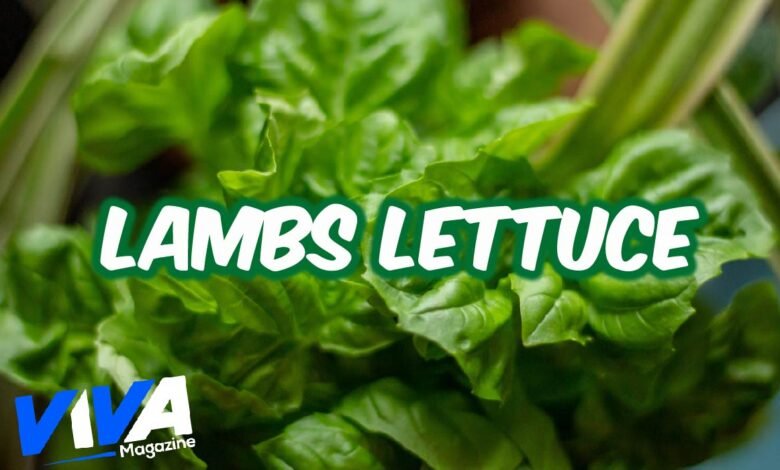
Home‑grown greens have gained strong popularity across modern households. People now value freshness, nutrition, and self‑sufficiency more than ever. As a result, gardeners increasingly choose easy and reliable leafy crops. One standout option is lambs lettuce, a tender and resilient salad green. This plant offers a mild, nutty flavour and grows during colder months. Therefore, it provides fresh harvests when other crops fail. Lambs lettuce is also known as mâche, corn salad, and field salad.
These names reflect its long European history. For centuries, it served as a winter staple in rural kitchens. Recently, chefs and home cooks have rediscovered its value. Farmers’ markets and organic boxes now include it regularly. This article explains everything in detail. You will learn its origin, nutrition, and cultural relevance. You will also discover growing methods, soil needs, varieties, harvesting techniques, storage tips, and serving ideas. By the end, you will understand why this green deserves a place in every garden.
What Is Lamb’s Lettuce?
Lambs lettuce is a leafy annual plant with the scientific name Valerianella locusta. Some references also use Valerianella olitoria. Both names describe the same plant species. Across Europe, people use different common names. The French call it mâche. Germans often say Rapunzel. In the UK, corn salad is common. The plant forms low rosettes of spoon‑shaped leaves. These leaves feel soft and tender.
The flavour tastes mildly nutty and slightly tangy. Lambs lettuce grows wild across Europe. It appears naturally in France, Germany, the UK, and the Caucasus region. People eat it raw most often. However, light cooking also works well. Cultivated plants usually taste milder than wild types. Wild forms often show stronger bitterness. Garden varieties focus on tenderness and uniform growth.
History and Cultural Significance
Lambs lettuce has a long and fascinating history. European farmers once considered it a field weed. It grew naturally between cereal crops. Poor households relied on it during winter. Over time, it became a valued seasonal food. French cuisine embraced it early. Mâche became a winter salad classic. German folklore linked it to the Rapunzel fairy tale. The story mentions a leafy green growing in gardens.
This reference increased cultural recognition. Later, industrial farming reduced its popularity. Supermarkets favoured sturdier greens. Recently, interest returned strongly. Organic farming revived traditional crops. Urban gardeners rediscovered cold‑tolerant vegetables. Farmers’ markets now showcase it proudly. Chefs praise its delicate taste. As a result, lambs lettuce regained respect and value.
Nutritional Value of Lamb’s Lettuce
Lambs lettuce provides impressive nutritional benefits. It contains very few calories. One hundred grams supply roughly fourteen calories. Despite that, it offers dense nutrients. The leaves contain beta‑carotene for eye health. Vitamin C supports immune function. Folic acid supports cell growth and pregnancy health. Potassium helps regulate blood pressure. Antioxidants protect cells from damage. During winter, these nutrients matter greatly. Fresh greens become scarce then. Compared to spinach, it feels gentler on digestion. rugula, it tastes less peppery. Compared to romaine, it offers more micronutrients per calorie. Therefore, it suits balanced diets extremely well.
When and Where to Grow Lamb’s Lettuce
Lambs lettuce adapts well to many climates. It thrives across the UK and Europe. It also grows successfully in North America. Even colder zones support it easily. Gardeners in Sweden grow it reliably. USDA zones three through ten suit it well. Cool temperatures encourage best growth.
Heat causes bolting and bitterness. Therefore, timing matters greatly. Sow undercover during late winter or early spring. February and March work well. For outdoor sowing, early spring also suits. Alternatively, sow during late summer. July through September produce winter harvests. Autumn and winter offer ideal conditions. Early spring harvests follow smoothly.
Soil and Location Requirements
Lambs lettuce prefers simple growing conditions. It tolerates many soil types easily. However, fertile and well‑draining soil produces best results. Heavy clay needs improvement before planting. Compost improves structure and drainage. The ideal soil pH ranges between six and seven point five. The plant accepts both sun and light shade. During summer, partial shade prevents stress. Raised beds work very well. Containers also support healthy growth. Greenhouses extend the growing season. Windowsills allow small‑scale indoor production. Therefore, space limitations rarely cause issues.
How to Sow Lamb’s Lettuce Seeds
Sowing lambs lettuce seeds remains straightforward. Outdoor sowing begins with soil preparation. Remove weeds thoroughly first. Rake the surface evenly. Add compost or aged manure gently. Create shallow drills next. Depth should stay between half and one centimetre. Space drills about three centimetres apart. Leave ten to twenty centimetres between rows.
Cover seeds lightly with soil. Water gently but thoroughly. Germination takes two to three weeks. Indoor sowing follows a similar process. Use trays or small pots. Fill them with quality compost. Sow seeds at shallow depth. Keep temperatures between sixteen and twenty degrees. After emergence, move seedlings cooler. Five to twelve degrees encourages strong growth.
Transplanting and Planting Out
Seedlings grow quickly under good conditions. Once they reach four to five centimetres, transplanting becomes possible. They should show early cotyledons clearly. Choose final growing positions carefully. Raised beds work well. Containers also suit transplanting. Space plants about ten centimetres apart. This spacing ensures airflow and healthy rosettes. Water immediately after planting. Moist soil supports root establishment. Companion planting improves results further. Chives deter pests naturally. Radishes grow quickly between rows. Spinach shares similar growing conditions.
Caring for Lamb’s Lettuce Plants
Proper care ensures healthy plants. Water regularly during early growth. Soil should stay moist but not waterlogged. The first three weeks matter most. After establishment, plants tolerate light dryness. Weed control remains important. Remove weeds by hand frequently. Hoe gently between rows when needed. Slugs and snails enjoy tender leaves. Use barriers or traps early. Aphids sometimes appear in mild weather. Encourage beneficial insects naturally. Downy mildew appears in damp conditions. Improve airflow to reduce risk. Fertilising usually proves unnecessary. Rich soil supplies enough nutrients. For overwintering crops, light organic feed helps. Mulching protects roots during freezing weather.
Harvesting Lamb’s Lettuce
Harvest time arrives quickly. Lambs lettuce matures within six to twelve weeks. Timing depends on sowing season. Harvest during cool hours for best quality. Morning works best. Pick single leaves as needed. This method extends harvest periods. Alternatively, cut whole rosettes carefully. Leave the base intact for regrowth. Plants often resprout after cutting. Multiple harvests become possible. Avoid delaying harvest too long. Older leaves develop bitterness. Regular harvesting encourages tender growth.
Storing and Using Lamb’s Lettuce
Freshness matters greatly with lambs lettuce. Shelf life remains short. Refrigeration preserves it for one to three days. Store it in the least cold fridge section. Rinse gently before use. Soil often clings to roots. Avoid soaking leaves. Excess moisture causes decay. Wrap leaves in damp paper towel. Place them in breathable containers. Do not wash before storage. Wash only before eating. Nutrients degrade quickly after harvest. Therefore, use it as fresh as possible.
How to Eat Lamb’s Lettuce
Lambs lettuce shines in raw preparations. Salads suit it perfectly. Light dressings preserve its flavour. Lemon juice and olive oil work well. Simple vinaigrettes also complement it. It pairs beautifully with beets. Goat cheese adds creaminess. Pears provide sweetness. Citrus adds brightness. Nuts enhance texture. Due to strong flavour, it replaces herbs sometimes. Add it near the end of cooking. Soups benefit from gentle stirring. Quiches accept it well. Omelettes gain colour and nutrition. Whole rosettes also decorate plates attractively.
Benefits of Growing Lamb’s Lettuce at Home
Growing lambs lettuce offers many advantages. Home harvests guarantee organic quality. No chemicals remain involved. The plant grows well in small spaces. Containers support easy cultivation. Urban gardeners benefit greatly. Winter cropping becomes possible. Few greens tolerate cold like this. Self‑seeding often occurs naturally. Many gardeners call it a pleasant weed. Maintenance requirements stay low. Growth remains fast and reliable. Harvests continue during winter months. Fresh greens become available year‑round.
Varieties of Lamb’s Lettuce
Several varieties suit different needs. Gala serves commercial production widely. It grows uniformly and reliably. Vit offers excellent cold tolerance. It matures quickly in winter. Verte de Cambrai represents a traditional French type. It produces tender leaves with classic flavour. Choose varieties based on climate. Space availability also matters. Cold regions benefit from hardy selections. Containers prefer compact varieties. Seed suppliers usually indicate traits clearly.
Common Mistakes and Troubleshooting
Overwatering causes common problems. Root rot develops in soggy soil. Poor germination occurs during hot weather. Dry soil also prevents sprouting. Overcrowding reduces airflow. Disease risk increases then. Slugs destroy seedlings rapidly. Early protection matters. Failure to thin plants causes weak growth. Delayed harvesting reduces quality. Leaves turn bitter when mature. Observing plants closely prevents most issues. Quick adjustments restore healthy growth.
Lamb’s Lettuce vs Other Salad Greens
Lambs lettuce compares favourably with other greens. Spinach grows larger but tastes earthier. Arugula delivers peppery intensity. Romaine offers crunch but less nutrition. Lambs lettuce provides tenderness and balance. Its nutty flavour stands out gently. Nutrient density remains impressive. Mixing it with other greens enhances salads. It pairs well with sharper leaves. Blended salads gain complexity and appeal.
Conclusion
Lambs lettuce offers exceptional value for gardeners and cooks. It combines flavour, nutrition, and resilience. Its easy growth suits beginners and experts alike. Cold tolerance extends harvest seasons. Small spaces still support production. Nutritional density supports winter health. Culinary versatility allows creative use. For these reasons, it deserves garden space everywhere. Try succession sowing every two or three weeks. This method ensures continuous harvests. With minimal effort, fresh greens remain available year‑round.
FAQs
What is the best time to plant lambs lettuce?
Late summer and early autumn provide ideal sowing periods for winter harvests.
Can lambs lettuce grow indoors?
Yes, it grows well indoors with sufficient light and cool temperatures.
How long does lambs lettuce take to mature?
Most plants reach harvest size within six to twelve weeks.
Does lambs lettuce regrow after harvesting?
Yes, plants often regrow if the base remains intact.
Is lambs lettuce healthy?
Yes, it provides vitamins, antioxidants, and minerals with very few calories.
Also Read :
Cesta Roman: Ancient Roman Roads That Shaped Europe
Visit For More Info : Viva Magazine