

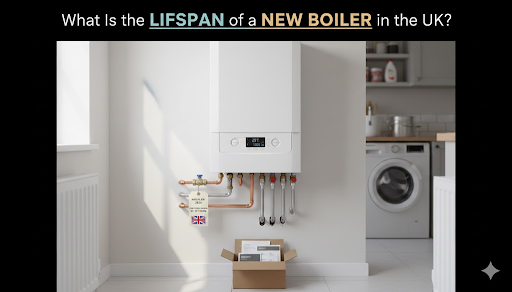
Your new boiler will last 10-15 years. Period. With proper care? Push that to 15-20 years. But most homeowners won’t see 20. Why? They skip servicing, ignore warning signs, and wonder why their boiler dies at year 12.
Here’s what actually determines how long your heating system survives.
Different Boiler Types, Different Lifespans
Not all boilers age equally. The type you install matters more than most installers admit. Let’s break down what you’re really buying when you choose each system.
Combi Boilers: 10-15 Years
Most popular doesn’t mean most durable. Combi boilers pack everything into one unit, convenient, yes, but that compact design means harder work for every component.
Reality check: By year 15, efficiency drops noticeably. You’ll feel it in your energy bills before the boiler actually breaks.
System Boilers: 12-15 Years (Up to 20)
Work smarter, not harder. System boilers use a separate cylinder, spreading the load. Less stress equals a longer life. Perfect for larger homes. Multiple bathrooms running simultaneously? No problem.
Conventional Boilers: 12-15 Years
The old guard. Require more space (hot water cylinder plus cold water tank), but they’re built solid. Less common now. But if you’ve got one? It’ll probably outlast a combi.
Condensing Boilers: 15-20+ Years
Now we’re talking. Modern condensing boilers recover waste heat, hitting 90-99% efficiency versus the pathetic 60-70% of older models.
They’re also built better. Higher upfront cost, longer lifespan—basic math.
Electric Boilers: 15-25+ Years
Fewer moving parts equals longer life. Simple engineering principle.
The catch? Running costs will hurt. Electricity prices make gas look cheap.
Quick Comparison: Boiler Types
| Boiler Type | Expected Lifespan | Best For | Efficiency |
| Combi | 10-15 years | Small homes, 1 bathroom | High |
| System | 12-20 years | Larger homes, multiple bathrooms | High |
| Conventional | 12-20 years | Traditional setups | Medium-High |
| Condensing | 15-20+ years | Any home (now required by law) | Very High |
| Electric | 15-25+ years | Off-gas-grid properties | High (but expensive) |
What Actually Kills Boilers Early
Think maintenance doesn’t matter? You’re wrong. The difference between a 10-year boiler and a 20-year one isn’t luck; it’s how you treat it.
Annual Servicing: Non-Negotiable
Skip this, void your warranty. It’s that simple. A Gas Safe engineer checks your system yearly. They clean heat exchangers, test safety systems, and catch problems before they cascade into failures. Cost? £150-250 annually. A new boiler? £3,000-4,000. Do the math.
Hard Water Is Your Enemy
Live in London, East Anglia, or the South? Your water contains minerals that destroy boilers. Limescale builds up inside. Efficiency drops. Components work harder. They fail sooner. Solution: Water softener or scale reducer. Not optional in hard water areas if you want 15+ years.
Power Flushing Every 5-8 Years
Sludge accumulates in your system. You can’t see it, but it’s there—clogging pipes, forcing your boiler to strain. Power flushing clears it out. Costs £300-500. Adds years to your boiler’s life. Worth it? Obviously.
Usage Patterns Matter
Ironically, boilers need exercise. Running your heating for 15 minutes monthly during summer prevents mechanical seizing. Think you’re saving money by leaving it off? You’re shortening its lifespan instead.
Warning Signs: When to Replace
Wondering if your boiler’s finished? Here’s how to know for certain.
Frequent Repairs
Called an engineer twice this year already? That’s your answer. Rule of thumb: Annual repair costs over £400-500 mean replacement time. Stop throwing money at a dying system.
Rising Energy Bills
Your usage hasn’t changed, but bills keep climbing? Ageing boilers lose efficiency. They burn more gas to produce the same heat. A modern A-rated boiler from a boiler grant provider saves £200-310 yearly versus old systems. Three years of higher bills? You’ve already paid for half a new boiler.
Physical Problems
Watch for these red flags:
- Leaking pipes or persistent dripping
- Yellow or orange flame (should be blue)
- Strange noises during operation
- Inconsistent temperatures from room to room
- Radiators are taking forever to heat up
Any of these? Get a professional assessment now.
The Age Question
Over 15 years old and needing repair? Replace it. Between 10-12 years with multiple issues? Replace it. Under 10 years? Fix it (unless repairs exceed £500).
What You’ll Actually Pay
New boiler costs in the UK break down like this: Total replacement: £2,300-£3,800
- Combi boiler: £3,800 average
- System boiler: £3,300 average
- Unit alone: £600-£4,000
- Installation labor: £1,000-£2,000
Premium brands (Worcester Bosch, Vaillant) cost more upfront. They also last longer and offer better warranties, up to 10 years versus 1-2 years standard. Pay once or pay twice. Your choice.
ECO4 Scheme
Eligible households get free or heavily subsidised replacements. Focused on fuel poverty, but worth checking if you qualify. New boiler efficiency (90%+) versus old models (60-70%) means real savings over 15+ years.
Warranty Reality Check
Every UK boiler comes with a mandatory 1-year guarantee. That’s the minimum.
Extended warranties:
- Worcester Bosch: up to 10 years
- Ideal: 7 years
- Vaillant: 2 years standard (longer available)
The catches? You must:
- Register within 30 days of installation
- Get annual servicing by approved engineers
- Keep all service records
Miss any of these? Warranty void. No exceptions.
How to Hit 20 Years
Want maximum lifespan? Follow this checklist:
Essential Actions:
- Annual Gas Safe servicing (no exceptions)
- Install a scale reducer in hard water areas
- Power flush every 5-8 years
- Install a magnetic filter to catch debris
- Monitor pressure regularly
- Bleed radiators when needed
- Run heating monthly during summer
- Keep the boiler area well-ventilated
Cost versus benefit: Spending £200-300 yearly on maintenance versus £3,500 every 10 years? The math clearly favours maintenance.
The Bottom Line
Expect 10–15 years as standard, but you can achieve 15–20 years with proper care. You can even push to 20+ years if you’re meticulous about maintenance. Are the homeowners complaining about 10-year failures? Often, they skipped servicing, ignored hard water, and waited until breakdowns to call engineers.
If you are concerned about the cost of upgrading an aging system, it is worth checking if you qualify for a Boiler Grant for Pensioners, which can help cover the investment in a more efficient unit. Install quality equipment, service it annually, and address issues immediately. Your boiler will reward you with reliable heat for decades, not just years.