

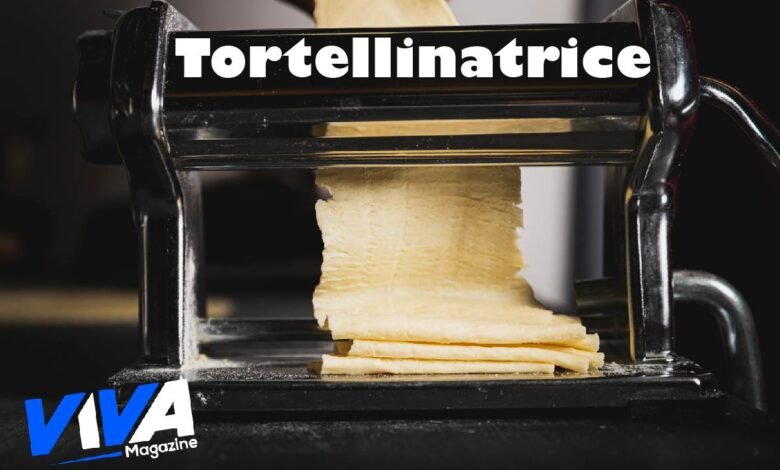
A Tortellinatrice is a specialized pasta machine designed to shape, fill, and seal tortellini with precision and speed. Unlike generic pasta tools, this machine focuses entirely on one iconic Italian pasta shape. Over time, the Tortellinatrice evolved from manual, hand‑cranked devices into automated, digitally controlled systems. This evolution allowed pasta makers to protect tradition while improving efficiency.
As a result, authentic tortellini production became scalable without losing cultural integrity. This article serves home cooks, professional chefs, restaurant owners, and food business operators. If you value consistency, heritage, and productivity, this guide delivers essential insight. Continue reading to understand why this machine reshapes modern pasta making.
What Is a Tortellinatrice?
A Tortellinatrice is a dedicated pasta machine engineered specifically for tortellini production. Unlike standard pasta rollers or cutters, it performs multiple functions simultaneously. It shapes pasta dough, inserts filling, folds the dough, seals edges, and cuts uniform pieces. Because tortellini require complex folding mechanics, ordinary pasta machines cannot replicate results accurately. This machine bridges traditional Italian craftsmanship with modern food technology. In Italian culinary culture, tortellini symbolize precision and heritage. Therefore, the Tortellinatrice exists to preserve authenticity while meeting modern production demands.
History and Evolution of the Tortellinatrice
Tortellini originated as a handmade pasta in Emilia‑Romagna, especially Bologna and Modena. Early artisans shaped each piece manually, requiring years of skill. However, growing restaurant demand created pressure for consistency and volume. During the mid‑twentieth century, manual pasta machines introduced mechanical assistance.
Later, semi‑automatic systems improved output speed while retaining operator control. Eventually, fully automatic and sensor‑driven models entered industrial kitchens. Today, advanced Tortellinatrice systems integrate digital controls and efficiency features. Consequently, restaurants and factories maintain tradition while increasing reliability and output.
How a Tortellinatrice Works (Step‑by‑Step)
Dough Preparation and Feeding
Dough quality determines final tortellini structure and texture. The dough must remain elastic, hydrated, and smooth. Excess dryness causes cracking, while excess moisture creates sealing failures. The feeding mechanism applies even pressure to maintain thickness consistency. As a result, dough flows smoothly through shaping components. Proper hydration ensures efficient folding and accurate sealing. Therefore, dough preparation remains the foundation of successful operation.
Filling Injection Mechanism
The filling injection system controls portion size with precision. Adjustable chambers regulate volume for every tortellino. This prevents overfilling, underfilling, and leakage. Operators can switch between meat, cheese, or vegetable fillings. Consistent injection improves cooking behavior and visual uniformity. As a result, waste decreases while quality increases. This mechanism defines the machine’s reliability.
Folding and Shaping
After injection, the machine folds dough into the traditional tortellini ring. Mechanical guides replicate hand‑folding motions precisely. These movements eliminate trapped air and ensure tight sealing. Strong seals prevent filling escape during boiling. Because shaping accuracy affects texture and mouthfeel, this stage remains critical. Precision here separates professional results from amateur output.
Cutting and Portion Control
Once sealed, the machine cuts individual pieces uniformly. Adjustable cutting settings determine final size and weight. Uniform portions cook evenly and plate consistently. Restaurants benefit from predictable serving portions. Manufacturers gain batch consistency and packaging efficiency. Therefore, portion control enhances both culinary and operational performance.
Types of Tortellinatrice Machines
Manual
Manual Tortellinatrice machines suit home cooks and small workshops. Operators control each movement directly. These machines require practice but reward skill. They preserve tactile involvement and recipe experimentation. However, output remains limited.
Semi‑Automatic
Semi‑automatic models balance speed and manual oversight. The machine automates folding and cutting, while operators manage feeding. Small restaurants favor this configuration. It increases output while preserving control. Therefore, it suits medium‑scale production environments.
Fully Automatic
Fully automatic systems dominate industrial pasta production. These machines handle continuous dough feeding, filling, folding, and cutting. Output reaches thousands of pieces hourly. Minimal supervision reduces labor costs. Consistency remains extremely high. Consequently, large manufacturers rely on these systems.
Tortellinatrice vs. Other Pasta Machines
A ravioli machine creates flat sealed pasta, not rings. Pasta rollers only flatten dough. Cutters shape noodles, not stuffed pasta. Tortellini require complex folding geometry. Only a Tortellinatrice performs this sequence correctly. Specialized design ensures accurate sealing and appearance. Therefore, this machine fulfills a unique production role.
Advantages of Using a Tortellinatrice
The machine increases speed dramatically. It produces uniform tortellini consistently. Waste reduces due to controlled filling. Stainless steel construction improves hygiene. Scalability allows growth from kitchens to factories. Therefore, efficiency and quality improve simultaneously.
Disadvantages and Limitations
High‑end models require investment. Beginners face a learning curve. Cleaning requires discipline and routine. Basic models limit shape variety. However, benefits often outweigh limitations for frequent production.
Ideal Use Cases: Who Should Use a Tortellinatrice?
Home Cooks
Home cooks achieve professional consistency. Manual models support experimentation and learning.
Professional Chefs
Chefs gain efficiency without sacrificing quality. Service speed improves.
Restaurants
Restaurants maintain consistency across large orders. Labor demands decrease.
Pasta Manufacturers
Factories require high throughput and precision. Fully automatic machines deliver both.
Culinary Schools
Training programs teach industrial and traditional techniques simultaneously.
Best Fillings and Pasta Types for Tortellinatrice
Traditional fillings include ricotta with spinach, pork, and mortadella. Gourmet options feature truffle, seafood, and mushrooms. Vegan fillings include legumes and vegetables. Gluten‑free doughs require hydration control. Egg pasta remains most common. Semolina offers firmness. Whole wheat adds texture. Therefore, flexibility remains high.
Buying Guide: How to Choose the Right Tortellinatrice
Capacity
Choose output matching daily production needs.
Speed
Higher speed suits restaurants and factories.
Material
Stainless steel ensures durability and hygiene.
Automation Level
Automation reduces labor but increases cost.
Customization
Adjustable settings support recipe flexibility.
Price vs. Value
Balance budget against long‑term efficiency.
Warranty and Support
Reliable support ensures operational continuity.
Tortellinatrice Maintenance and Troubleshooting
Cleaning Instructions
Clean after every session. Remove residue immediately.
Lubrication and Part Replacement
Lubricate moving components regularly. Replace worn seals promptly.
Common Issues
Clogs result from dry dough. Jams indicate misalignment. Poor sealing signals hydration imbalance.
Pro Tips
Follow manufacturer guidelines. Schedule inspections. Maintain consistent dough quality.
Tortellinatrice in Professional Settings
Restaurants rely on predictable output. Factories reduce waste and labor. Food trucks benefit from compact models. ROI improves through efficiency gains. Recipe consistency enhances brand identity. Therefore, professional adoption continues expanding.
The Future of the Tortellinatrice
Smart sensors will monitor dough behavior. AI may adjust filling automatically. Cloud recipes will standardize production. Energy‑efficient motors reduce consumption. Smart kitchens integrate these systems seamlessly. Sustainability aligns with automation. Therefore, innovation continues responsibly.
Common Myths and Misconceptions
Machines preserve tradition rather than destroy it. Small kitchens benefit significantly. Modern designs simplify cleaning. Price ranges suit diverse budgets. Therefore, misconceptions lack accuracy.
Tortellinatrice in Italian Food Culture
Tortellini symbolize regional pride in Bologna and Modena. Machines prevent recipe loss. Culinary tourism depends on consistent quality. Global exports rely on controlled production. Thus, technology safeguards heritage.
Final Thoughts: Should You Invest in a Tortellinatrice?
A Tortellinatrice delivers efficiency, consistency, and authenticity. Home cooks gain precision. Chefs gain speed. Businesses gain scalability. While costs exist, long‑term value remains strong. If tortellini matter to your kitchen, this machine proves worthwhile.
FAQs About Tortellinatrice
What does a Tortellinatrice do?
It shapes, fills, seals, and cuts tortellini precisely.
Can it make other pasta shapes?
Some models support attachments, but specialization remains tortellini.
Is it easy to clean?
Modern designs simplify cleaning with removable components.
How much does a Tortellinatrice cost?
Prices range from affordable manual units to industrial investments.
Is a Tortellinatrice suitable for beginners?
Yes, especially manual or guided semi‑automatic models.
Also Read :
Levapioli: A Deep Dive into Balkan Comfort Food Tradition
Visit For More Info : Viva Magazine