

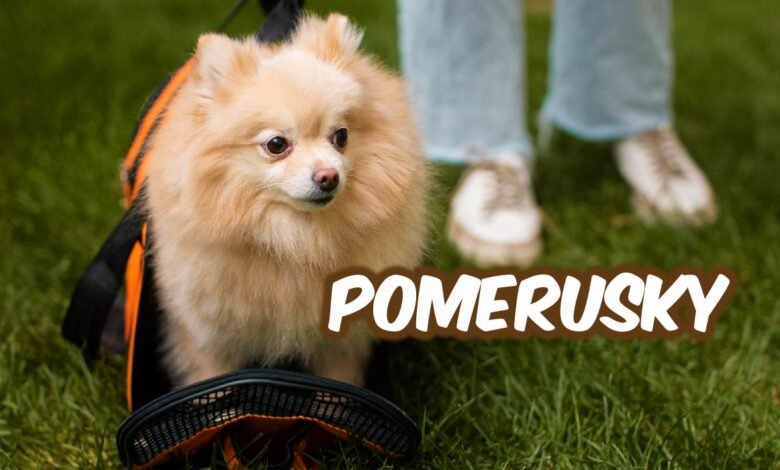
In a world where individuality drives lifestyle choices, the rise of designer dogs is no coincidence. Among the most captivating of these hybrids stands the Pomerusky—a stunning blend of the Siberian Husky and the Pomeranian. This remarkable breed has captured the hearts of dog lovers, influencers, and families alike. But what is a Pomerusky, and why has it become a cultural icon? This guide takes you deep into the history, behavior, health, grooming, and training needs of this hybrid wonder.
It also explores its symbolism in modern fashion and digital expression. The Pomerusky is more than just a pretty face—it’s a vibrant, intelligent, and expressive companion for those ready to commit. Whether you’re a seasoned dog owner or considering your first pet, this article delivers the insights needed to decide if this spirited hybrid is right for you.
What Is a Pomerusky? Understanding This Unique Hybrid
A Pomerusky is a cross between a Pomeranian and a Siberian Husky. Also known as a Pomsky or Pomeranian Husky mix, this hybrid breed combines the best of both parents. You get the Husky’s piercing eyes, double coat, and intelligence, along with the Pomeranian’s compact size, playfulness, and loyalty. Unlike purebred dogs, the Pomerusky offers unpredictable variety in appearance and temperament.
This makes each one truly one-of-a-kind. The breed’s small-to-medium size makes it suitable for apartment living. However, its high energy requires daily engagement. Popularized by social media and celebrity owners, the Pomerusky has become a favorite for those seeking both companionship and aesthetic appeal.
History and Origins of the Pomerusky
The Pomerusky emerged from the designer dog movement that began gaining traction in the early 2000s. During this time, breeders started creating hybrids to merge aesthetic appeal with better health and temperament. The goal was to combine the Husky’s regal looks and sharp mind with the Pomeranian’s affectionate nature and small stature. However, breeding these two very different-sized dogs isn’t simple. Artificial insemination is often used, with the Siberian Husky serving as the mother for safety reasons.
First-generation (F1) Pomeruskies are the most varied in looks and behavior. Later generations (F2, F3) tend to show more consistency. Although not recognized by the American Kennel Club, the Pomerusky has exploded in popularity due to social media. Viral videos and influencer endorsements have played a massive role in making this dog a global sensation.
Physical Characteristics: What a Pomerusky Looks Like
One of the most exciting things about the Pomerusky is its range of physical traits. On average, the breed weighs between 7 and 25 pounds and stands 10 to 15 inches tall at the shoulder. This size makes them suitable for a variety of living environments. Their thick, double-layered coats are soft, dense, and require regular grooming. Coat colors vary widely and include cream, sable, black, white, gray, and red.
Some Pomeruskies have facial masks like Huskies, while others resemble Pomeranians more closely. Eye color ranges from icy blue to warm brown, with heterochromia (two different-colored eyes) being a common and beautiful feature. Their ears may stand upright or be semi-erect, adding to their fox-like or wolf-like appearance. These traits make each dog unique, adding to the breed’s visual allure and charm.
Temperament and Personality of the Pomerusky
The Pomerusky’s temperament is a captivating mix of sass, intelligence, and affection. From the Pomeranian side, the dog inherits a bold, sometimes feisty attitude. From the Husky side, it gains independence and strong problem-solving skills. This hybrid is highly social and thrives in environments where it receives attention, structure, and mental stimulation. It forms strong bonds with family members and doesn’t tolerate being left alone for long periods.
If not engaged, Pomeruskies can develop separation anxiety, excessive barking, or destructive habits. With children and pets, they are generally friendly but benefit greatly from early socialization. Their vocal nature means they often communicate through barks, howls, or whines. This makes them excellent watchdogs but may be problematic in noise-sensitive environments. Despite their small size, they exhibit the personality of a much larger dog—confident, clever, and endlessly engaging.
Training Your Pomerusky: Intelligence Meets Willpower
Training a Pomerusky can be both rewarding and challenging. The breed’s high intelligence means it learns quickly. However, its stubborn streak requires consistent, positive reinforcement. Harsh training methods are ineffective and can lead to behavioral resistance. Crate training, obedience classes, and daily routines work best. Teaching basic commands like “sit,” “stay,” and “come” should start early.
Clicker training and reward-based approaches yield the best results. Early exposure to other animals, people, and environments during the 8 to 16-week developmental window is crucial. This helps prevent fear-based aggression or territorial behavior later on. Because of their smart and curious nature, Pomeruskies benefit from advanced training games and puzzles. These activities not only strengthen obedience but also satisfy their mental need for stimulation.
Exercise and Lifestyle Requirements for a Healthy Pomerusky
Despite their size, Pomeruskies are highly active dogs that need daily physical and mental stimulation. Owners should aim for at least 45 to 60 minutes of exercise each day. Walks, interactive games, and agility activities are excellent for burning off energy. Puzzle toys, scent games, and learning tricks can provide essential mental engagement. A bored Pomerusky is often a destructive one, so consistent interaction is key.
While they can adapt to apartment living, they thrive best in homes with access to outdoor play. A secure, fenced yard is a bonus, as these clever dogs can be escape artists. This breed does not do well in inactive households. Owners must be committed to creating an enriching environment, especially when they are away from home for long hours.
Grooming and Coat Maintenance for the Fluffy Pomerusky
Grooming a Pomerusky requires dedication. Their thick double coat sheds year-round, with heavy seasonal shedding in spring and fall. Brushing at least three to five times a week is necessary to manage fur buildup and prevent mats. During peak shedding periods, daily brushing is recommended. Use a slicker brush and undercoat rake for best results.
Bathing should be done every six to eight weeks using a mild, dog-safe shampoo. Overbathing can strip natural oils and irritate the skin. Professional grooming every few months can help maintain coat health, especially around the ears and hindquarters. Regular nail trimming, ear cleaning, and dental care are essential. The breed is prone to dental issues from its Pomeranian lineage, making daily tooth brushing and dental chews a must for long-term oral health.
Nutrition and Feeding Guidelines for Optimal Health
Feeding a Pomerusky requires attention to age, size, and activity level. Puppies generally need three to four small meals per day. Adult dogs thrive on two balanced meals daily. Choose a high-quality kibble formulated for small-to-medium active breeds. Look for food rich in lean protein, healthy fats, and omega-3 fatty acids to support joint health and a glossy coat.
Grain-free and limited ingredient diets may help if your dog has sensitivities. Common allergens include chicken, beef, and corn. Always provide fresh water and avoid overfeeding. Obesity places stress on joints and can reduce quality of life. Treats should be given in moderation and only as part of a structured training program.
Common Health Issues and Lifespan of a Pomerusky
The Pomerusky is generally a healthy breed, but like all hybrids, it can inherit health issues from either parent. Common problems include dental disease, patellar luxation, tracheal collapse, hip dysplasia, and eye conditions like progressive retinal atrophy (PRA). Regular vet visits, early screenings, and preventive care significantly reduce long-term risks. Vaccinations, parasite prevention, and dental cleanings are critical.
Responsible breeders perform genetic testing on parent dogs, which improves the odds of healthy offspring. The average lifespan of a Pomerusky is between 12 and 15 years. With proper diet, grooming, and medical care, many live active, happy lives well into their senior years. Owners should watch for behavioral changes, as these often signal underlying issues that require veterinary attention.
Pomerusky vs. Pomsky: What’s the Difference?
While “Pomerusky” and “Pomsky” are often used interchangeably, there are subtle distinctions. Some breeders use “Pomsky” to refer specifically to first-generation mixes, while “Pomerusky” may be applied to later generations or stylized branding. The term “Pomerusky” is also gaining traction in creative industries, where it represents more than a breed—it symbolizes hybrid identity and aesthetic uniqueness.
For potential buyers, what matters most is understanding the generational lineage (F1, F2, F3). These differences influence not just appearance, but also behavior and health predictability. Always ask breeders for documentation and health guarantees, regardless of what term is used.
Cost of Owning a Pomerusky: Initial and Long-Term Expenses
Purchasing a Pomerusky can cost anywhere from $1,000 to $3,500 USD. The price depends on factors like coat color, eye pattern, generation, and breeder reputation. Dogs with unique features like blue or heterochromatic eyes may command higher prices. Beyond the purchase, monthly expenses range from $100 to $250.
These include grooming, food, vet visits, toys, and insurance. Owners should also invest in quality gear—leashes, crates, brushes, and training tools. Avoid buying from puppy mills or backyard breeders who offer low prices without health screenings. Ethical breeders prioritize the dog’s well-being and socialization, making them worth the investment.
Is the Pomerusky the Right Dog for You?
The Pomerusky suits individuals or families who lead active, structured lives. It is not ideal for those who travel often or lack time for daily care. First-time dog owners can succeed with dedication to training, grooming, and companionship. The breed integrates well with children and other pets when properly socialized.
If you’re looking for a visually stunning, emotionally expressive, and intelligent dog, the Pomerusky could be your perfect match. However, those wanting a low-maintenance or quiet pet should consider other breeds. A Pomerusky demands attention but rewards you with affection, loyalty, and endless entertainment.
Cultural Impact
Beyond the dog park, the Pomerusky has evolved into a cultural symbol. On platforms like Instagram, TikTok, and Etsy, the term “Pomerusky” is associated with art, fashion, and hybrid aesthetics. Its playful name and unique look have inspired everything from digital avatars to indie fashion labels.
Influencers often use the breed as part of their brand identity. This growing cultural impact mirrors how pets have become extensions of personal style and values. The Pomerusky embodies creativity, uniqueness, and emotional connection in both the physical and digital realms.
Final Thoughts: The Lasting Appeal of the Pomerusky
The Pomerusky is not just another designer dog—it is a vibrant, loyal, and complex companion. With its stunning features, engaging personality, and cultural resonance, it offers more than aesthetic appeal. Owning a Pomerusky means committing to its needs, but in return, you gain an affectionate, intelligent, and unforgettable member of the family. Whether you’re drawn to its eyes, energy, or expressive nature, this hybrid breed has the power to enrich your life in meaningful and joyful ways.
Frequently Asked Questions
What is the lifespan of It?
The average lifespan is 12 to 15 years with proper care.
Are It hypoallergenic?
No, they shed heavily and are not ideal for allergy sufferers.
How often should It be groomed?
Brush 3–5 times weekly and bathe every 6–8 weeks.
Can a Pomerusky be left alone?
Not for long. They suffer from separation anxiety and need companionship.
Are Pomeruskies good for apartments?
Yes, if they get enough exercise and mental stimulation daily.
Also Read :
Döziv: Meaning, Philosophy, Culture, Finance & Lifestyle
Visit For More Info : Viva Magazine